



Adel Kebeida
القاهرة - مصر EGYPT - CAIRO
00201009411722
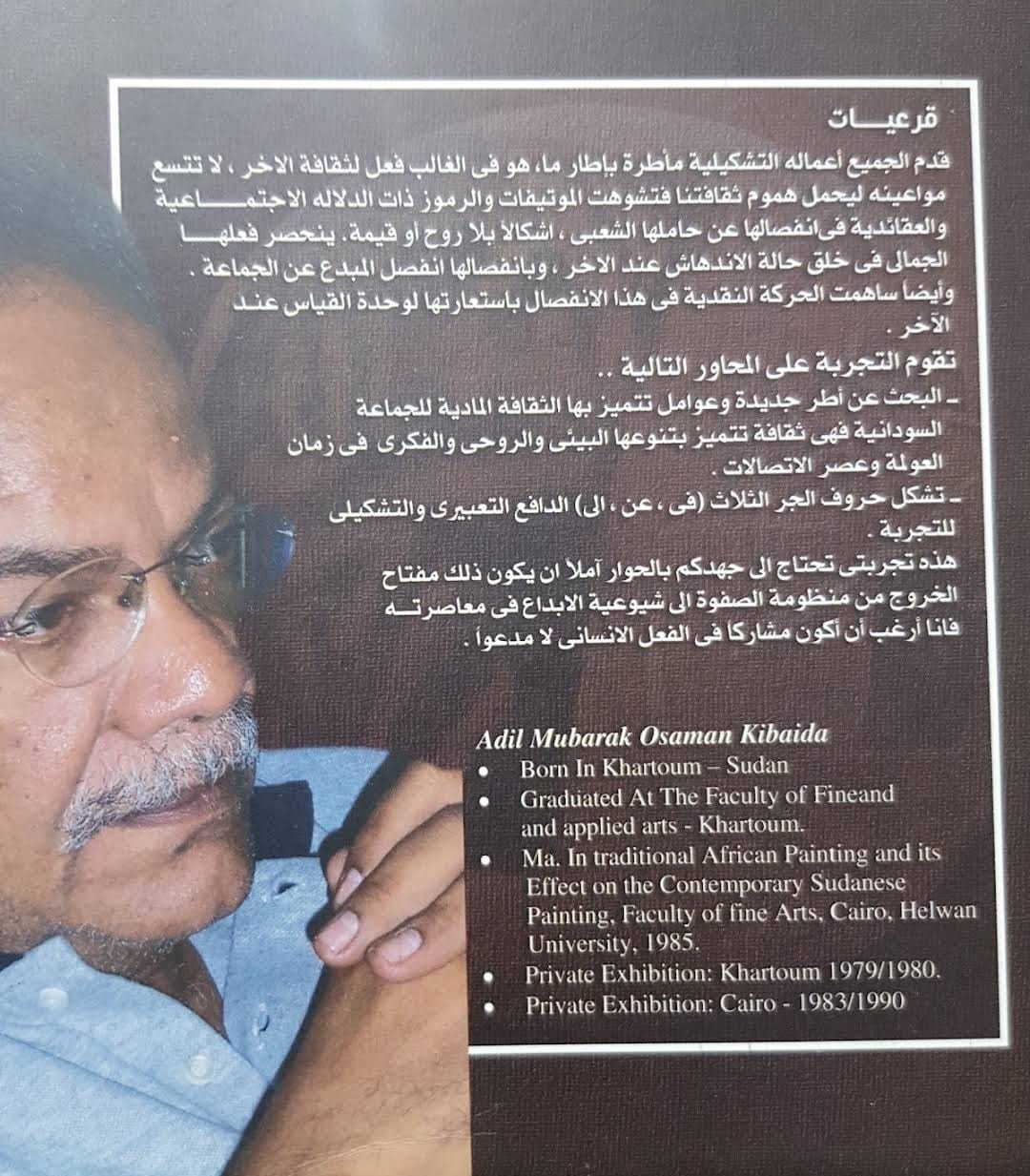
 Artist / Adel Mubarak Othman Kebidah
Birth and boyhood:
Born in Khartoum, on 04-12-1955
Growing up and boyhood, the city of Port Sudan
Academic studies:
- Education in Port Sudan primary, intermediate and secondary schools
- College of Fine and Applied Arts, University of Sudan, Department of Photography, Khartoum
Master's degree in Traditional African Painting and its Impact on Contemporary Sudanese Painting at the Faculty of Arts, Helwan University, Egypt
- Diploma in Folk Art, Academy of Arts, Giza, Egypt
- Studying Marketing, The American University in Cairo
The economic activity :
Teaching at various educational levels
A private office for advertising and media production
- Art designer at Al-Ayyam Sudanese newspaper
- Working in publishing houses to design books and magazines
An engineering office for the design and implementation of interior architecture
- Working in private sector companies in the marketing department in Cairo and Sudan
Marketing consultancy office
Marital status: Married and father of three children
Artistic and theatrical activity:
Theater and film actor
Scenography designer and preparer in the field of local, regional and international theater and cinema
Prepared for a story board in some fictional and advertising works
- Co-founder of Al-Thaghar Division, Port Sudan
Co-founder of the Cairo Theater Group
- Researcher and member of theatrical jury
Fine art activity:
Solo exhibitions and local and regional group participations
- Participant in international, regional and international competitions
- Received international awards in the field of photography and certificates of honor
# Second International Cairo Biennale Award - Egypt
# Mediterranean Triennale - Egypt
# Fujairah International Arts Festival - UAE
#Luxor Photography Symposium - Egypt
# Sharjah International Biennial - UAE
# International Mahres Festival - Tunisia
#Tayeb Salih Book Award Festival - Sudan
- Participant in regional and international working papers
- Researcher and critic in the field of arts
- Fine art experience in the field of photography under the name (plastic experiment outside the frame)
General artistic activity:
- Preparing and supervising cultural festivals
# Sudanese Cultures Festival
#Sinnar, capital of Islamic culture
# Karmakol Cultural Festival
- Technical consultations for the urban behavior promotion project in Khartoum state
Adel Kabida's Studio Location
https://maps.app.goo.gl/g18QGPKqvFuBjttx6
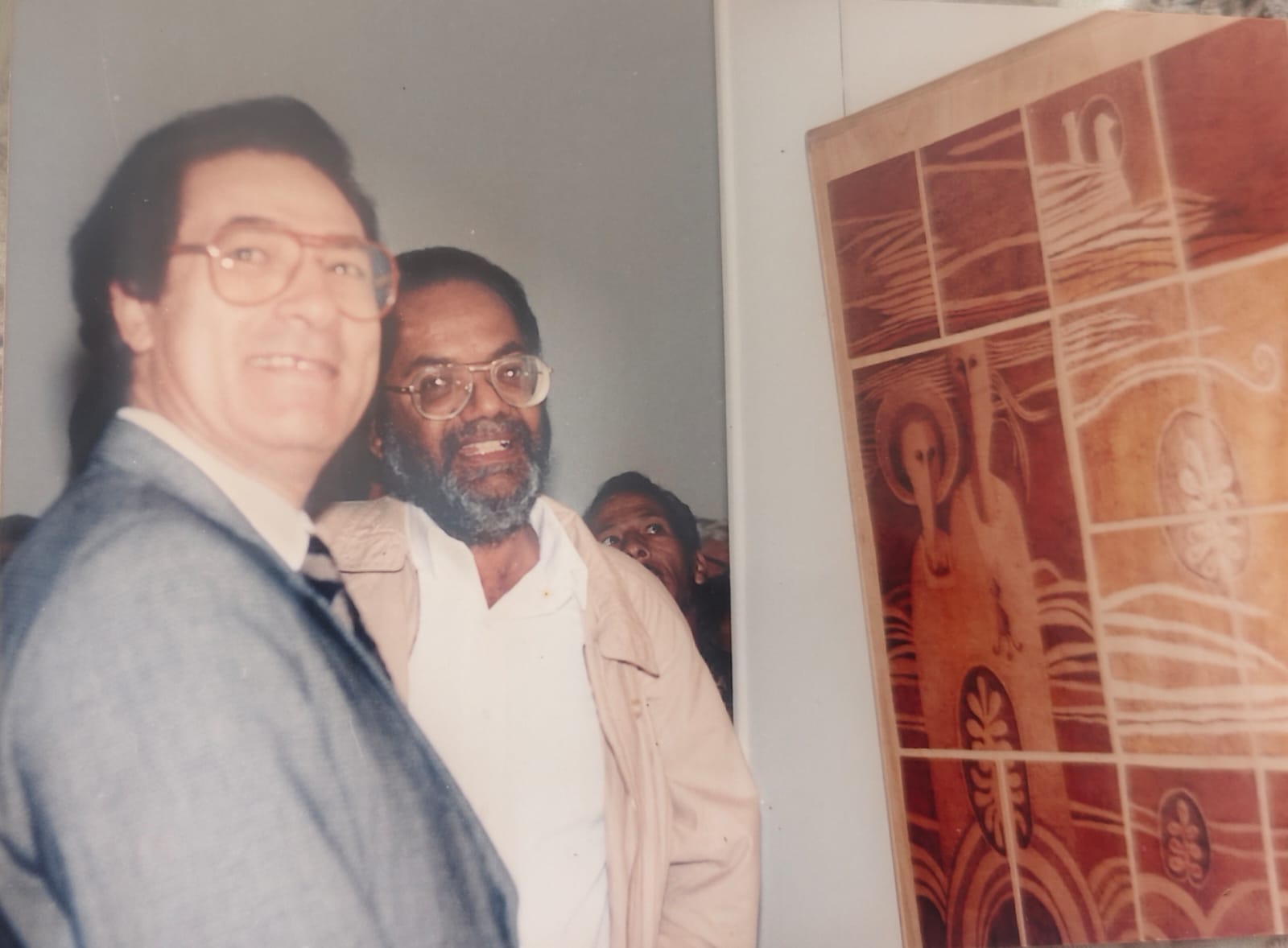
The beginning of professionalism within Sudan in 1979
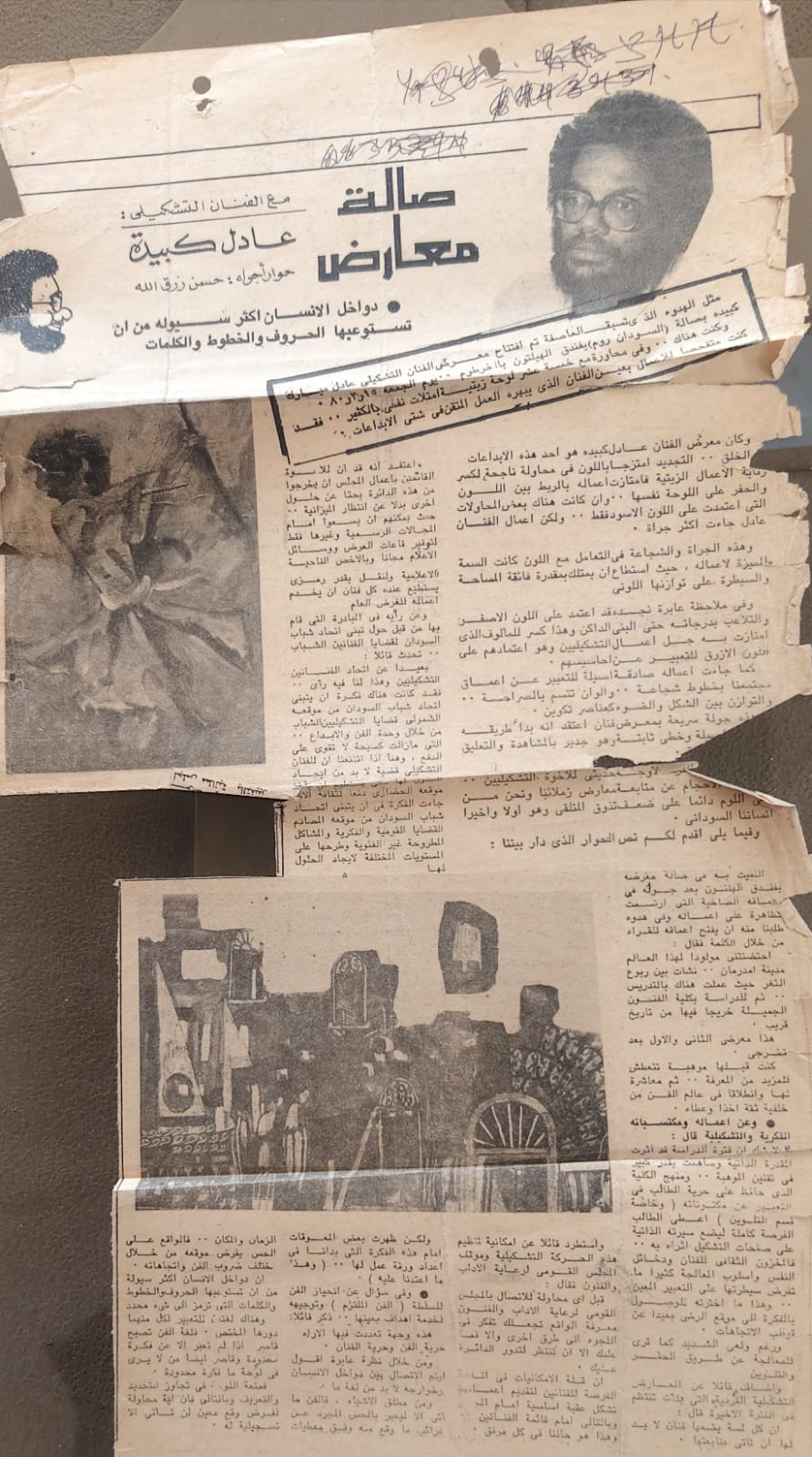
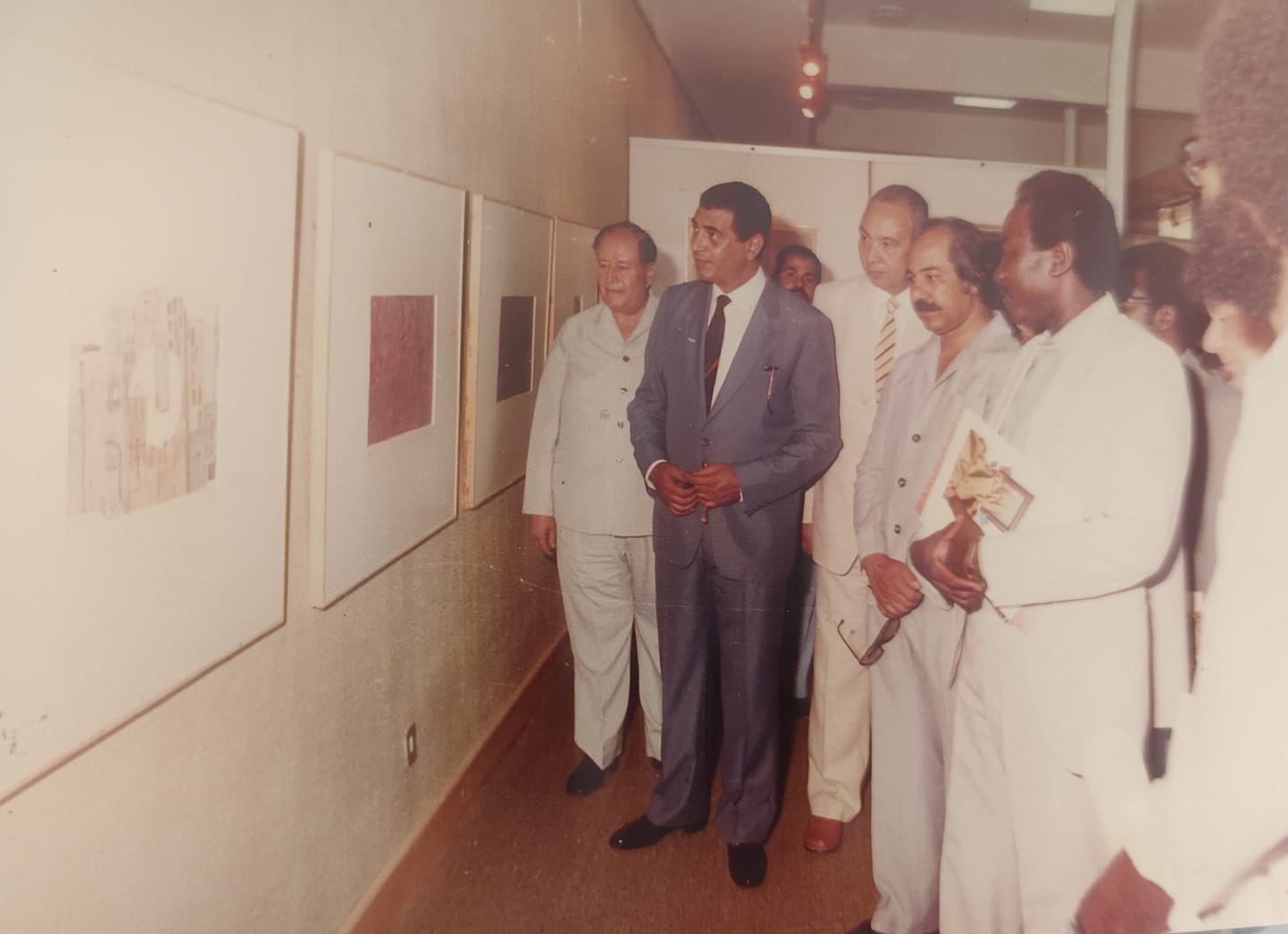
Beginning of professional career abroad in Egypt in 1983 AD
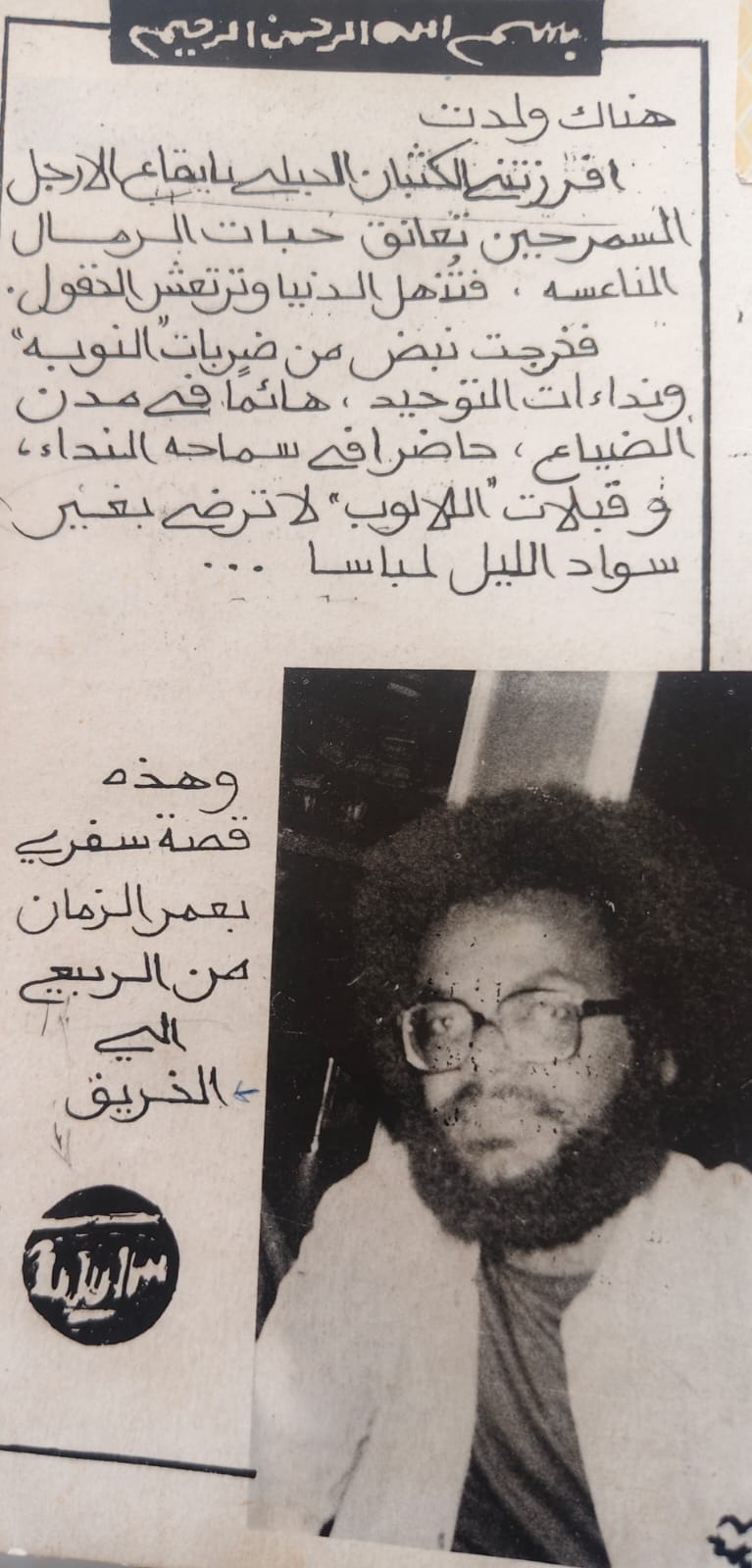
_6a6888b5d50ff.jpeg)
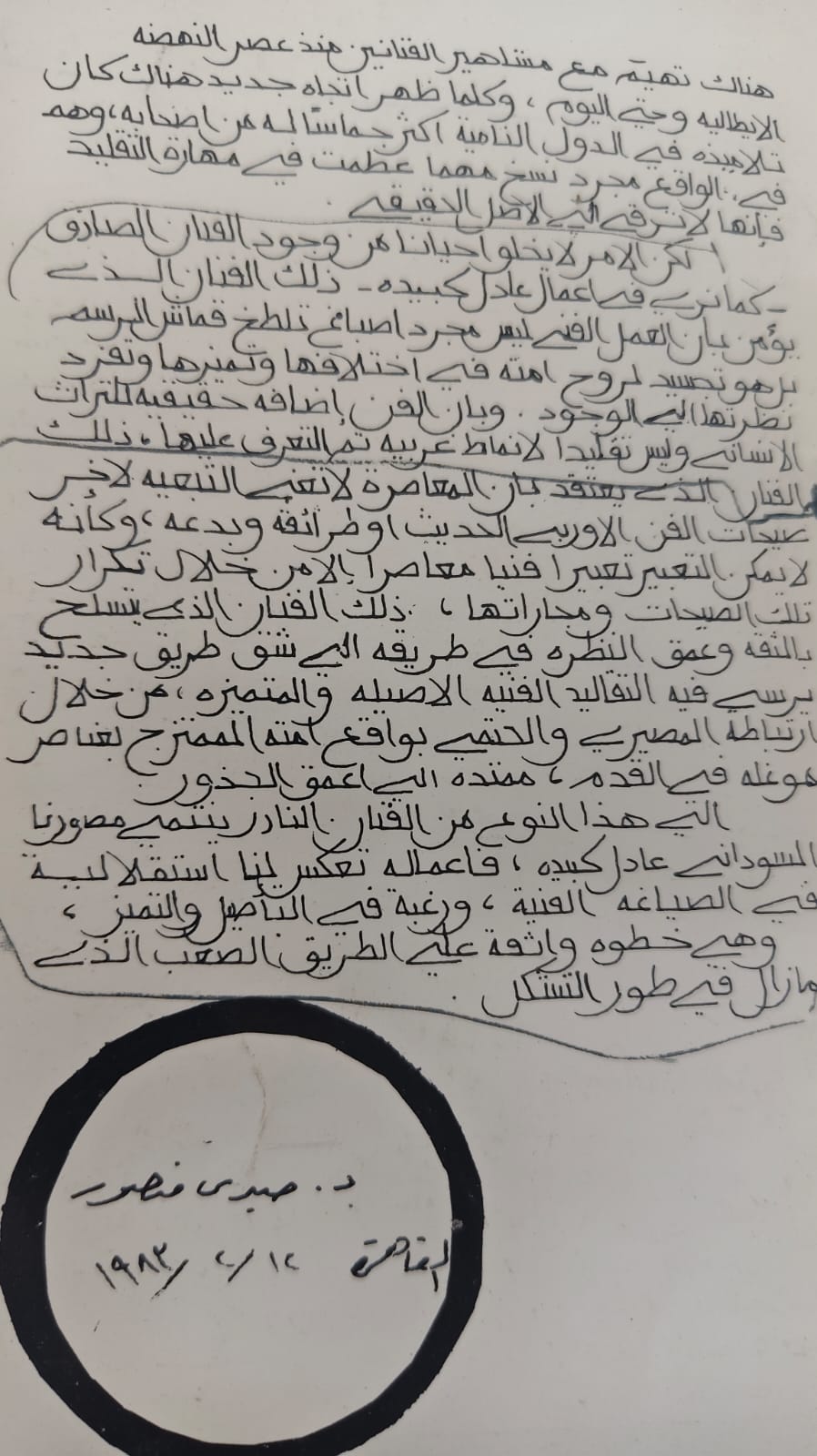
_6a688a1752dd5.jpeg)
_6a688a4ba11b3.jpeg)
_6a688a8d7417e.jpeg)
Myth and Folk Tales: A Critical Approach to the Works of Mohamed Orabi and Adel Kabida (3/4)
✦ Part Three: Mohamed Orabi – The Folk Tale as a Visual Scene
While Adel Kabida delves into the worlds of symbols, myths, and Sufi rituals, Mohamed Orabi stands on the other side of the spectrum, where the everyday folk tale becomes the raw material for his artistic creation. Orabi is a son of the Egyptian countryside, where fields mingle with the Nile, women with labor, and collective memory with harvest songs and folk tales. Hence, his works are imbued with the vibrancy of daily life, yet infused with a dose of myth that makes the ordinary scene seem to belong to a world of magic.
In one of his accompanying paintings, we see rural women sitting amidst baskets of fruit, surrounded by vibrant colors: the bright red of pomegranates, the warm yellow of corn, and the lush green of leaves. On the surface, the scene appears to depict familiar rural life, but the exquisite composition and the vibrancy of the colors give it a dimension that transcends documentation and enters the realm of myth. The woman here is not merely an ordinary peasant woman, but an icon of life and fertility, as if she were an extension of the ancient Egyptian goddess Isis, who nurtured the Nile and the crops.
In another painting, we see a river scene: white boats crossing the blue surface of the Nile, the sky stretching out like a horizon open to dreams. This scene, which Egyptians witness daily, is transformed in Orabi's hands into a painting charged with narrative. The Nile here is not just a river, but a mythical entity, the father, protector, and giver of life. Thus, the folk tale is revived in a visual form that makes the river a living character, telling an endless story.
Orabi's use of color is one of his most distinctive features. He does not use it as a decorative element, but as a tool for conveying meaning. For him, red is not just a color, but the lifeblood and pulse of the story, and green is not only a symbol of nature, but a sign of hope and rebirth. The colors in his paintings are not to be read in isolation from their popular meaning, but are visual codes that transport the viewer to a rural world brimming with stories and symbols. The folk tale in Orabi's works is not extraneous or superfluous; rather, it is the very essence of his artistic experience. Each painting tells a story: of women during harvest season, of children at play, of boats crossing the Nile, of a market brimming with fruit. But these stories are not presented as they are told orally; instead, they are crafted in a unique visual language that allows the viewer to perceive the everyday as part of a timeless, mythical epic.
Orabi's paintings reflect a profound awareness that art is not merely the embellishment of the world, but its rediscovery. The countryside, which may appear simple and ordinary, is transformed in his paintings into a world of symbols. The woman becomes an icon, the Nile a myth, fruit symbols of fertility and echoes of events and memories, and the entire scene becomes a visual text that engages with Egyptian folk tales.
Thus, Orabi's work can be seen as a bridge between the real and the mythical. He does not sever ties with daily life, but rather reshapes it in a way that imbues it with symbolism. His paintings seem to say: in every simple, everyday scene lies a legend, in every rural woman an echo of Isis, and in every pomegranate a tale of fertility and life.
Mohamed Orabi
Adil Kebada
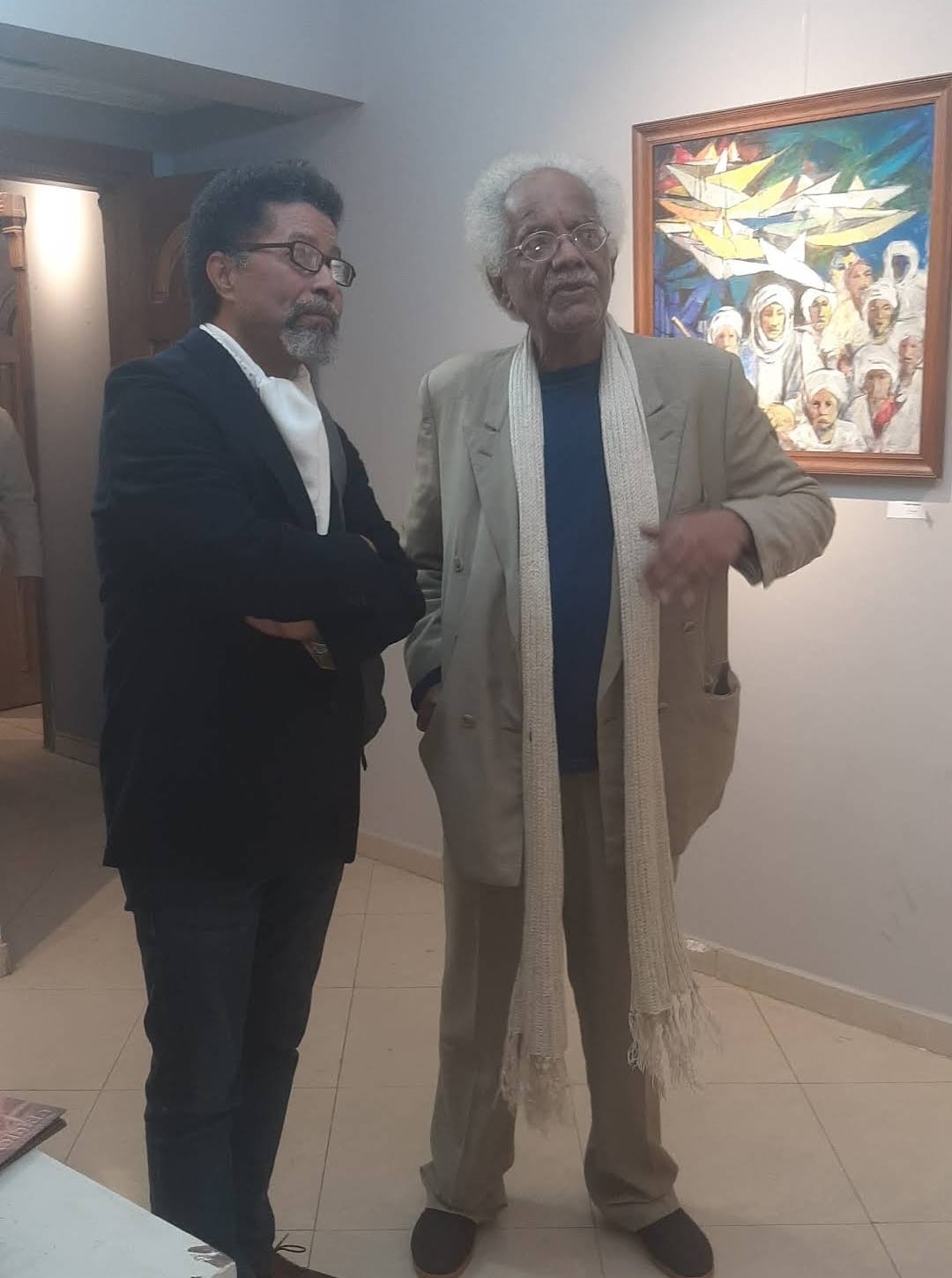
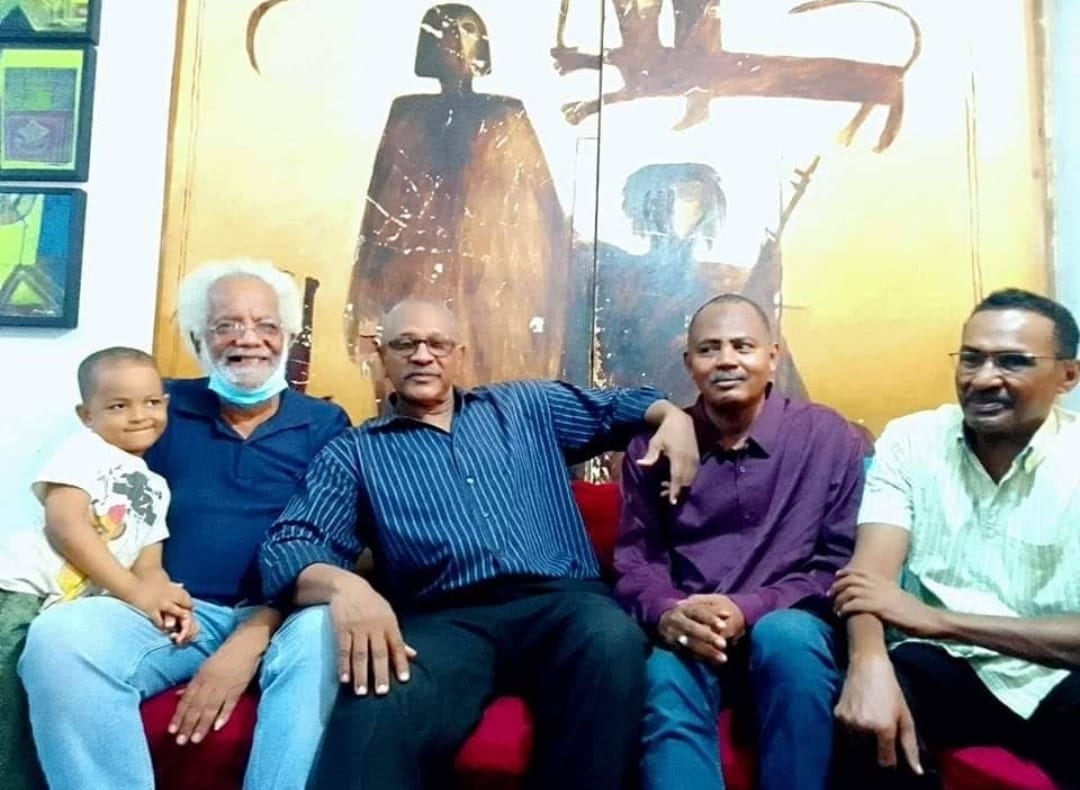
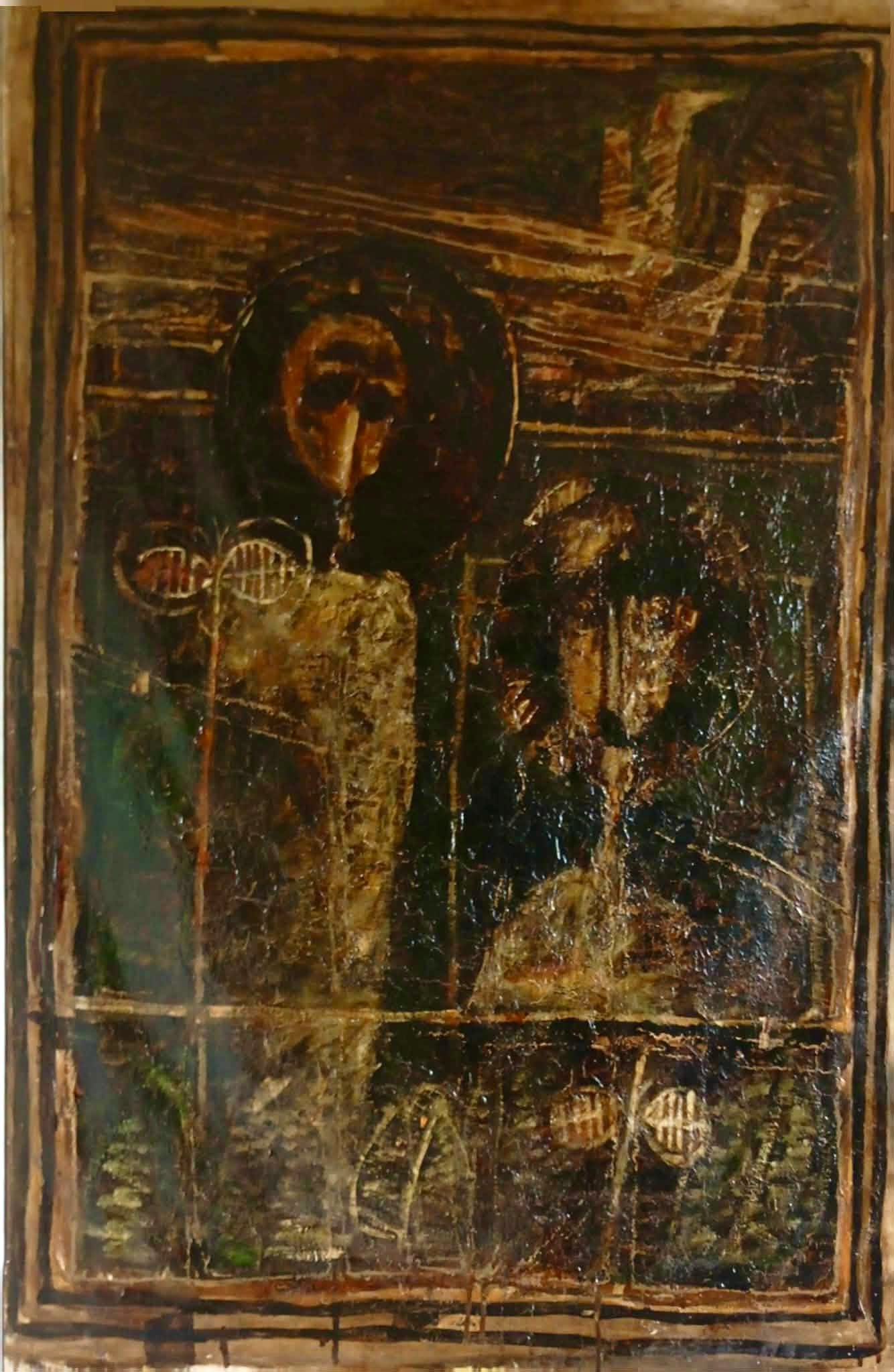
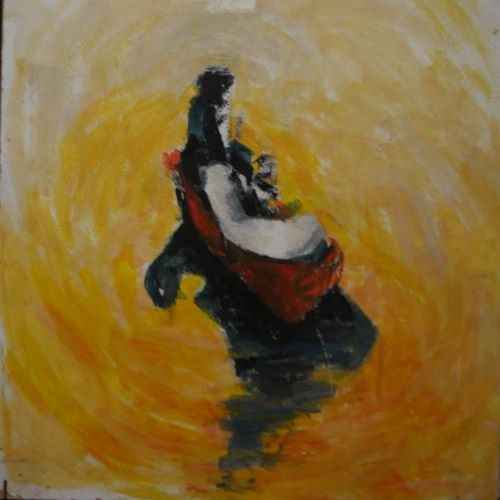
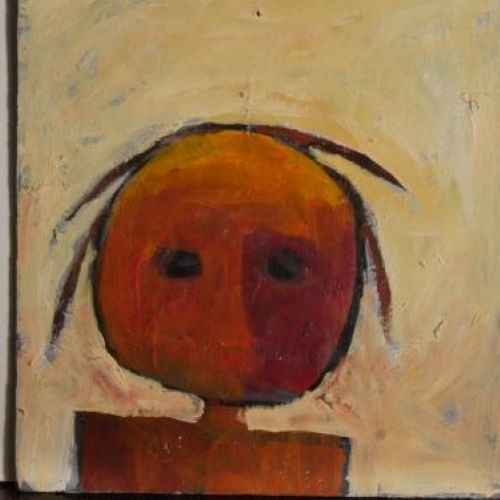
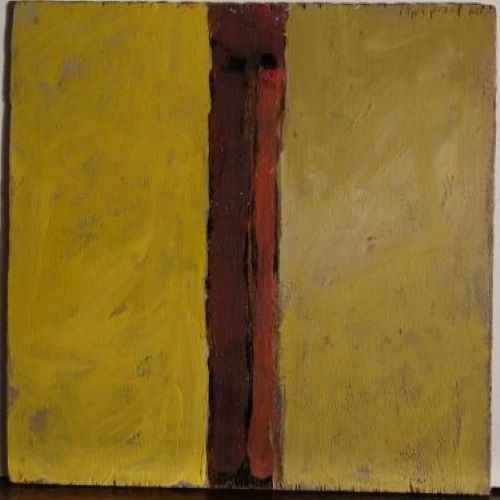
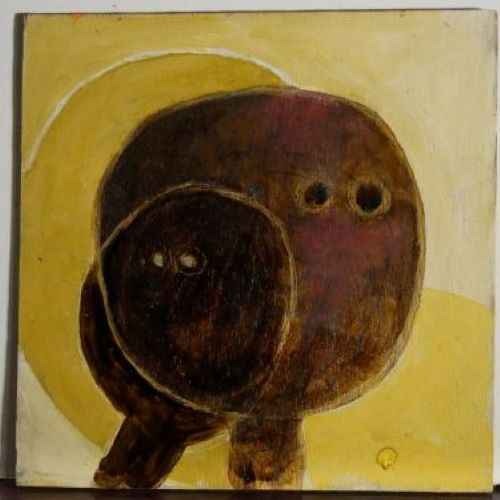
Early Works by Adel Kabida
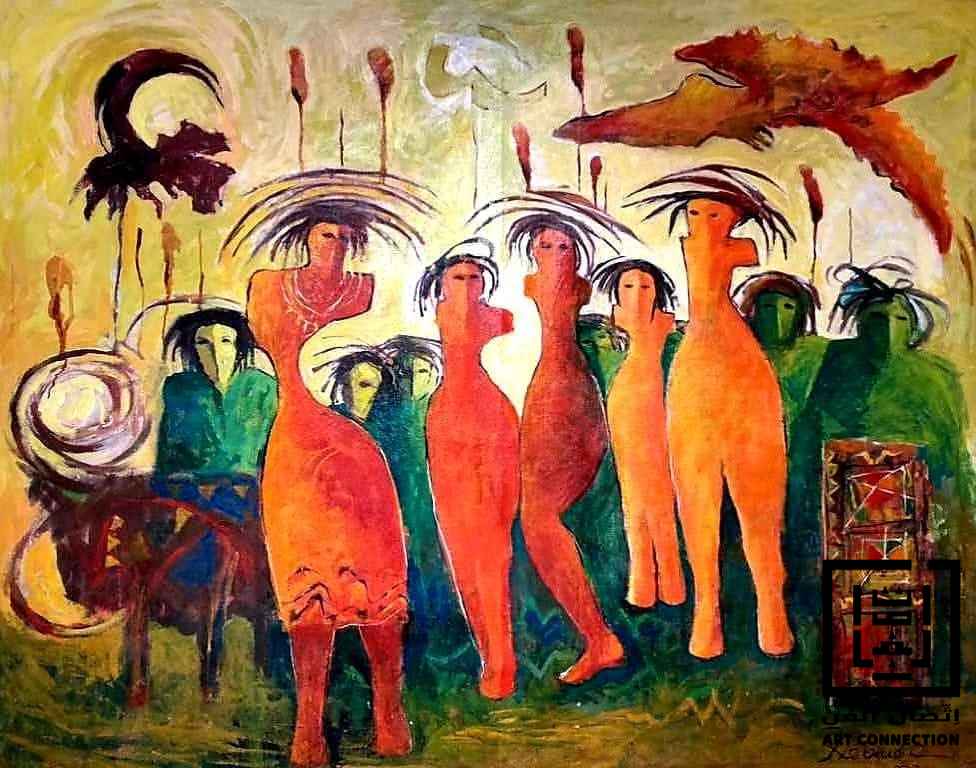
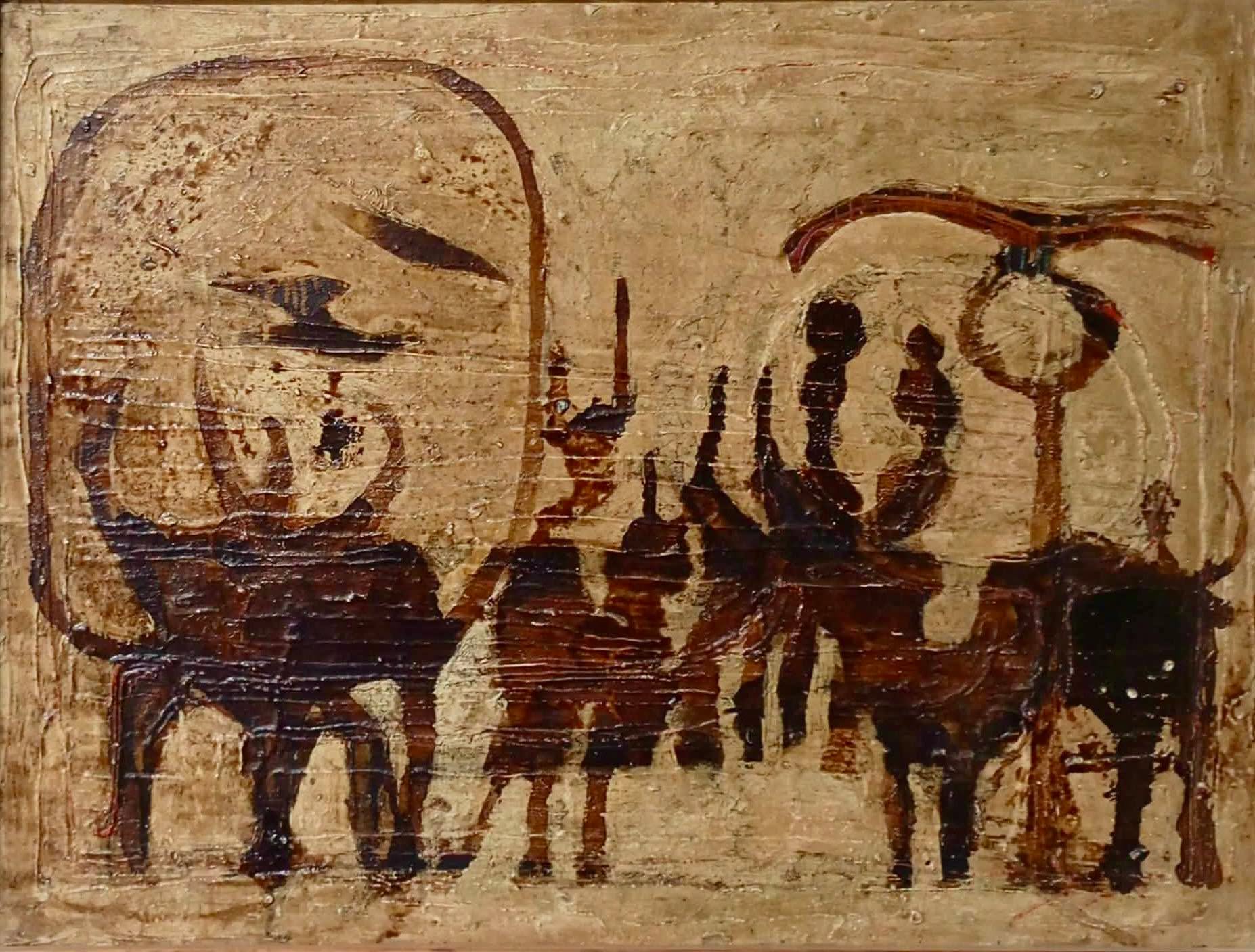
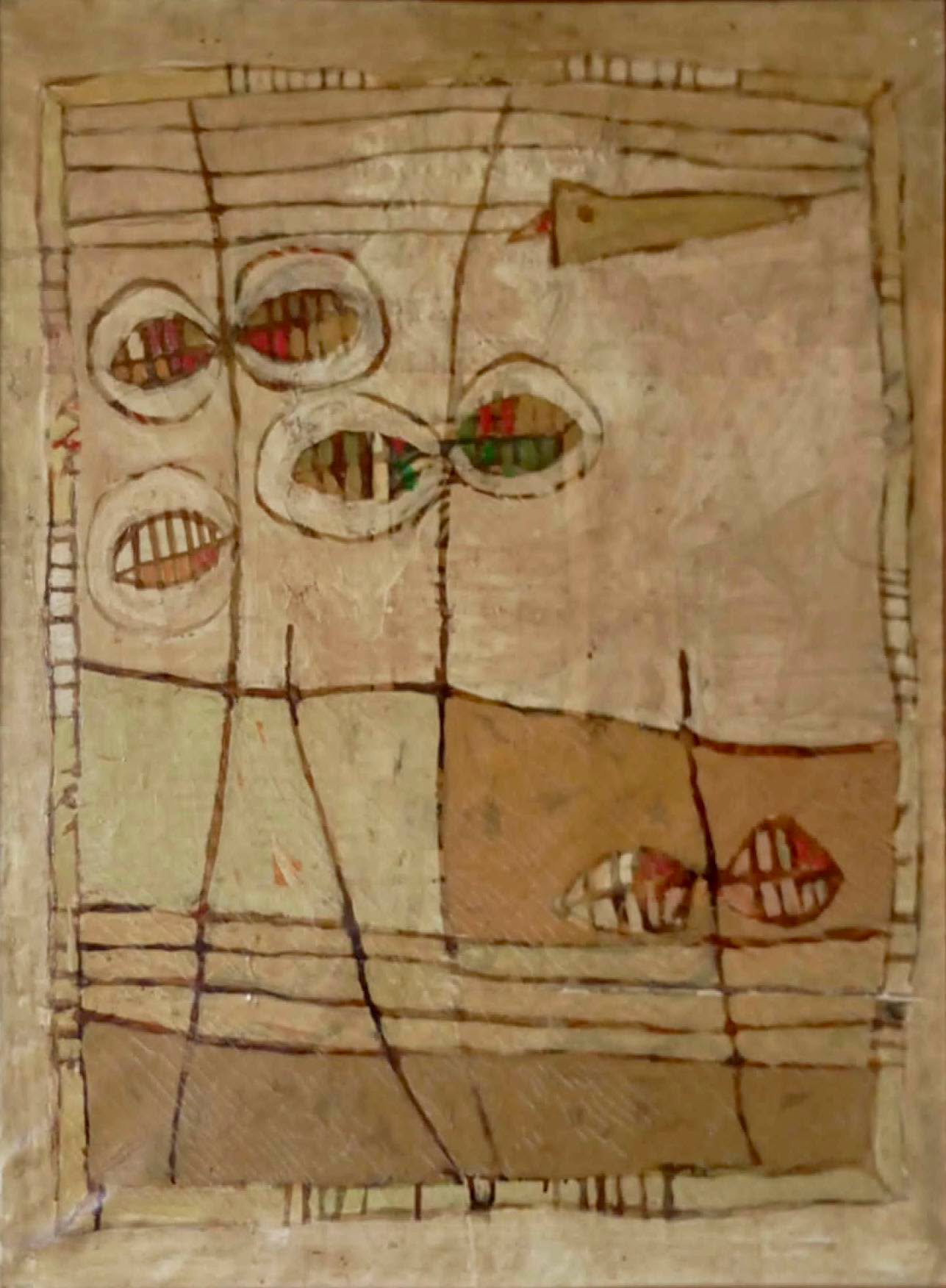
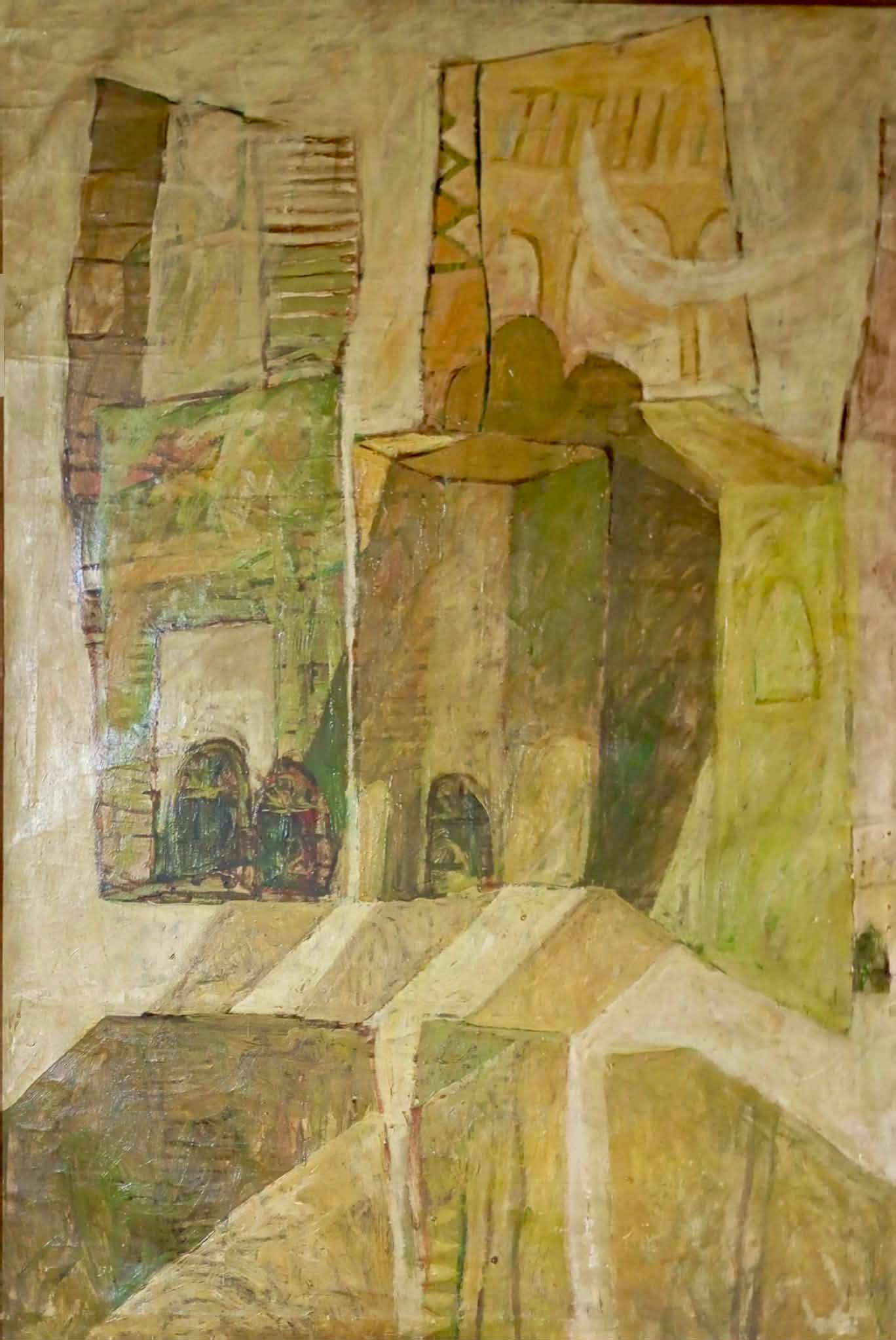
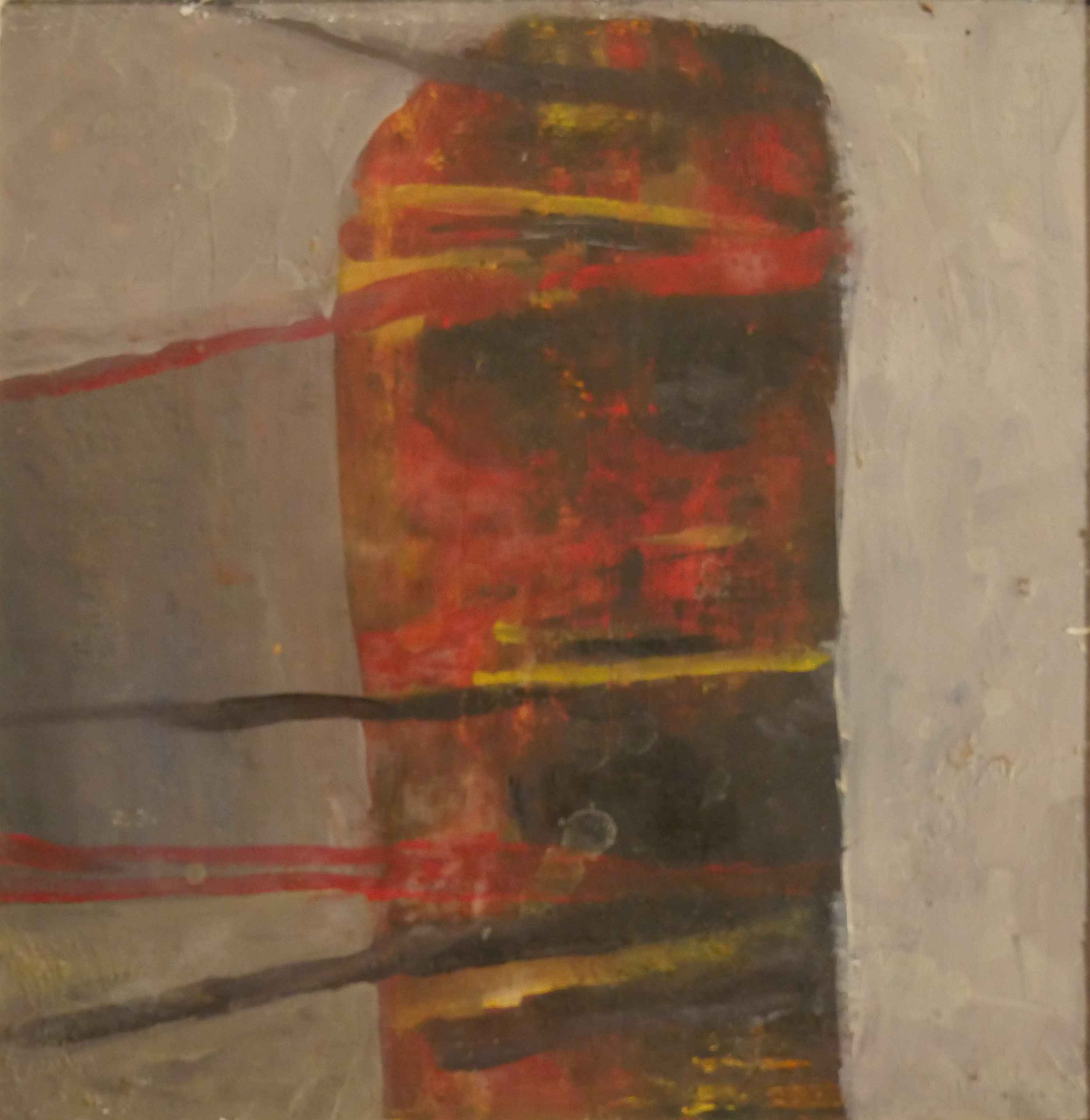
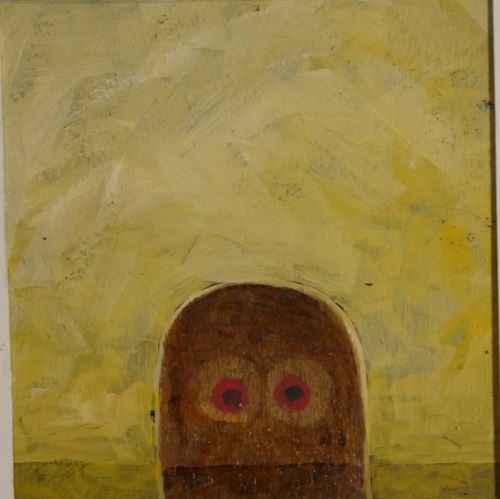
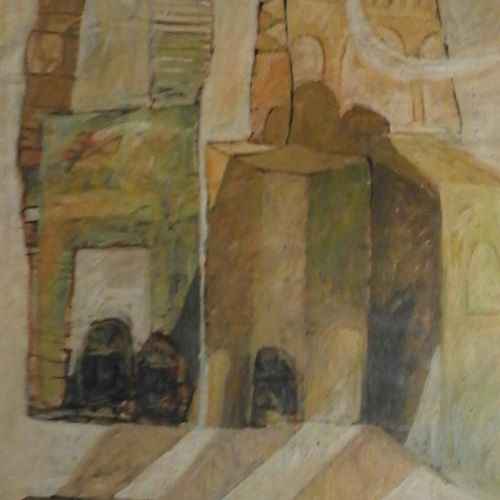
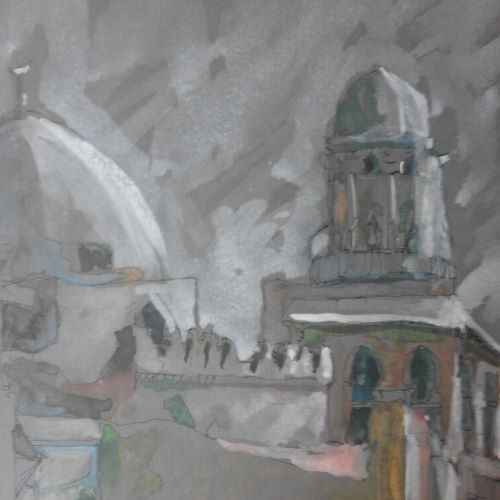
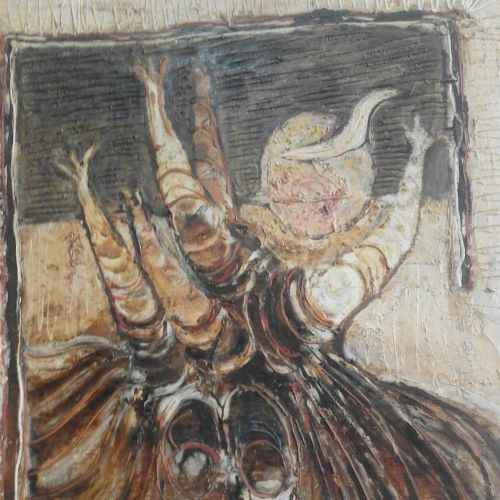
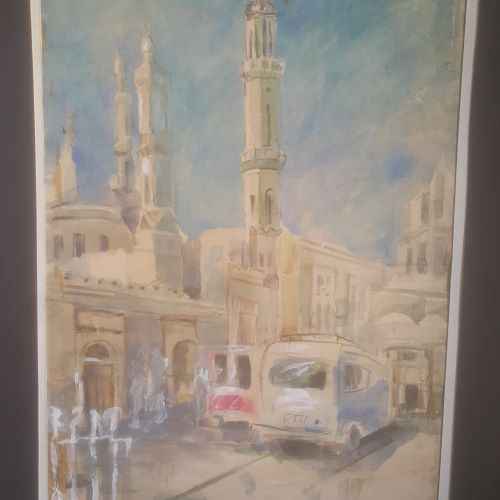
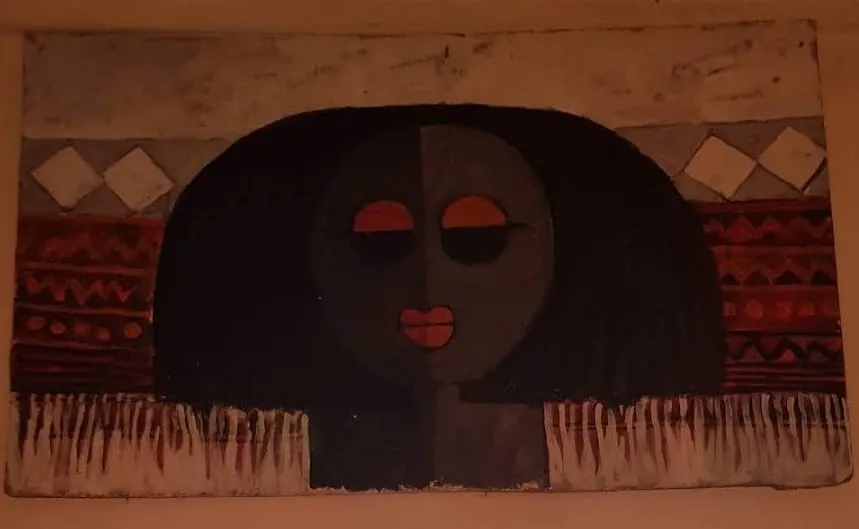
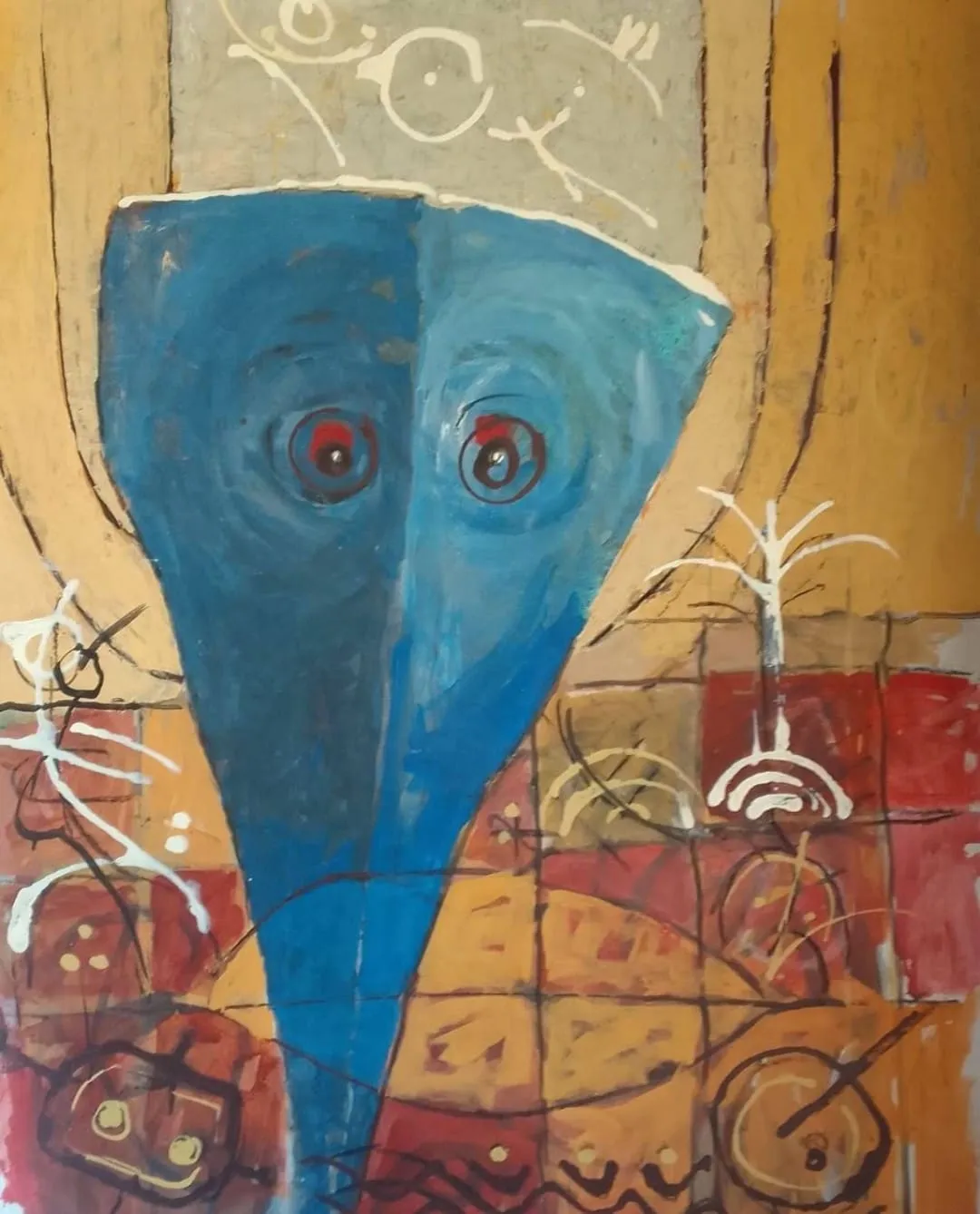
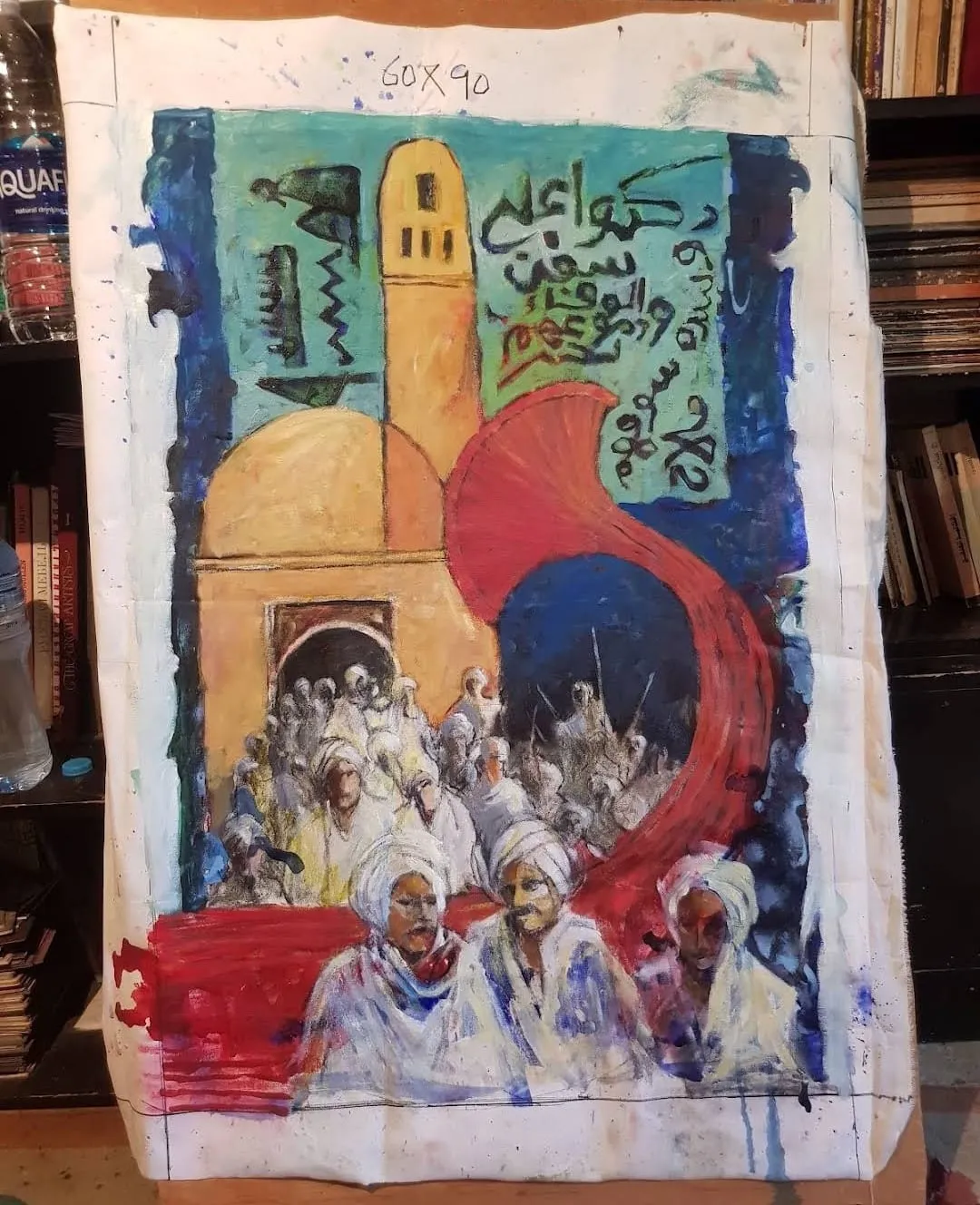
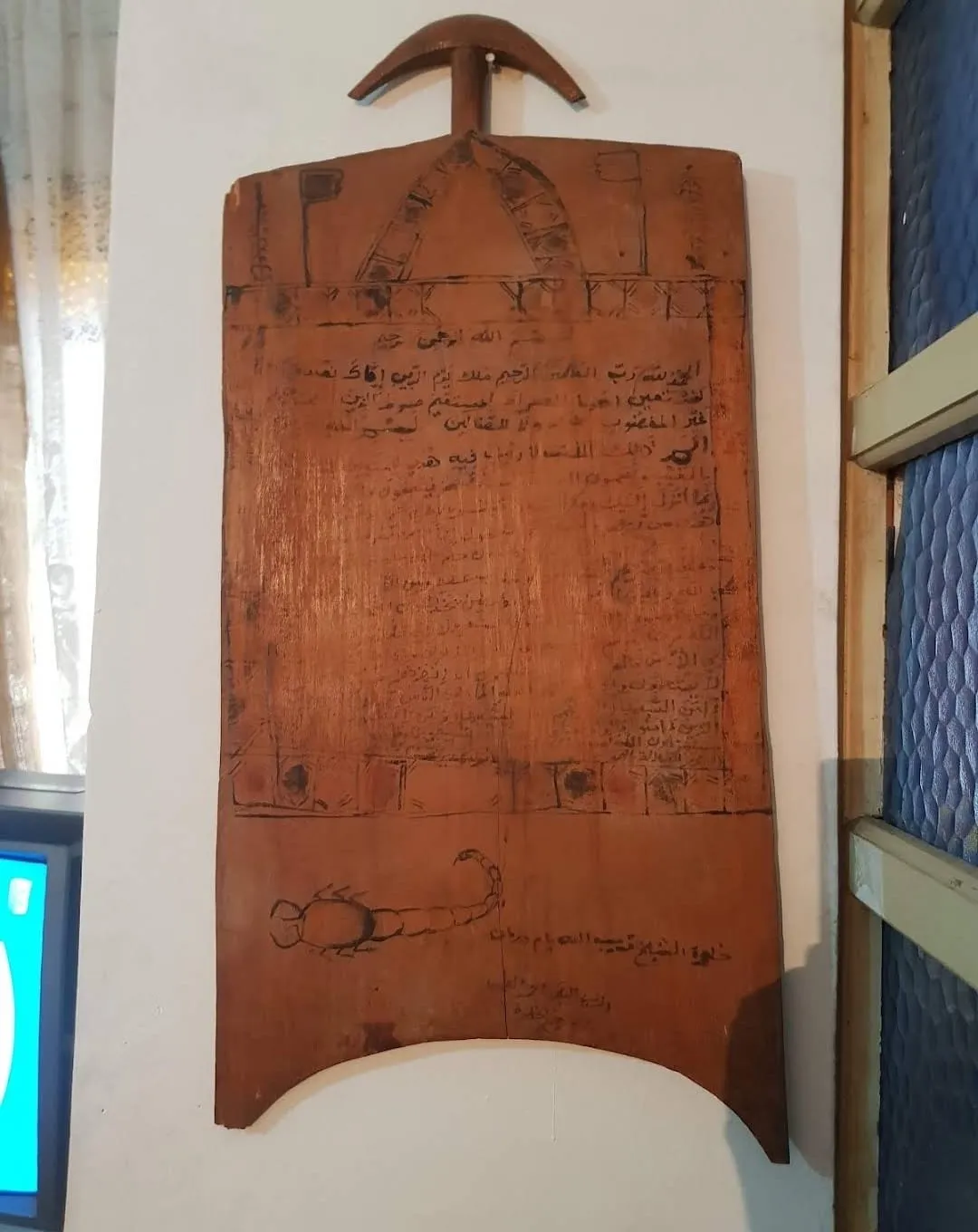
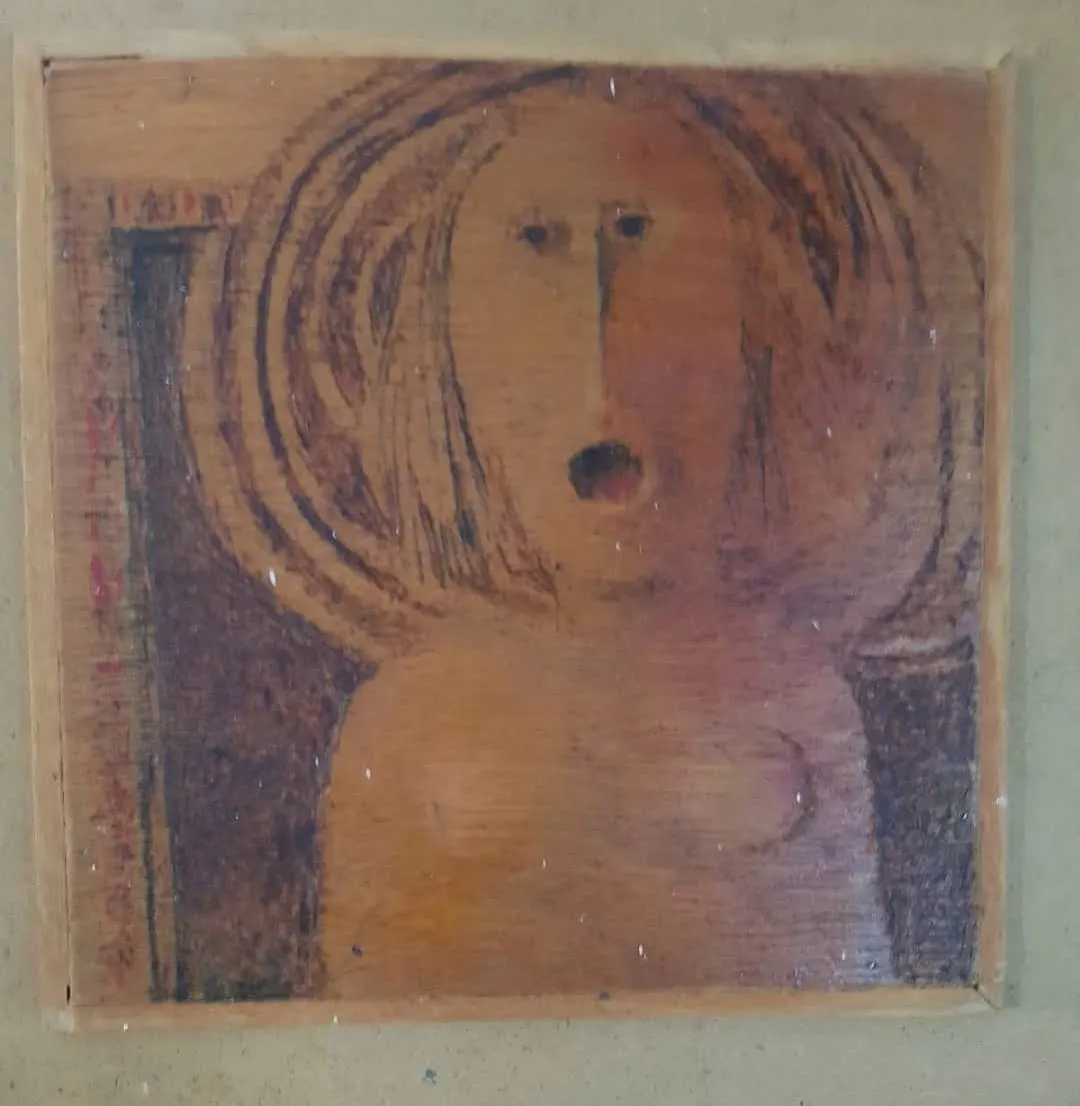
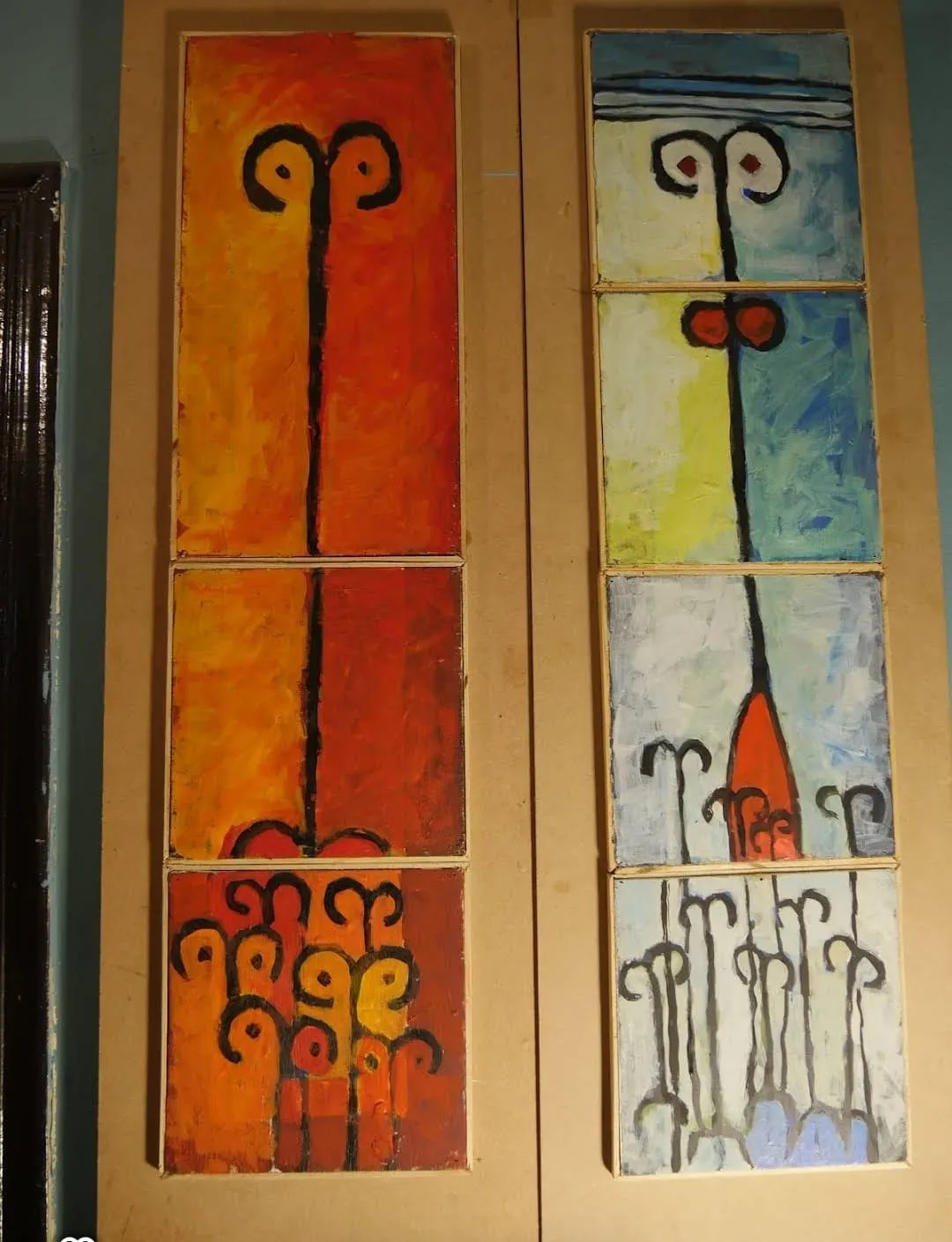
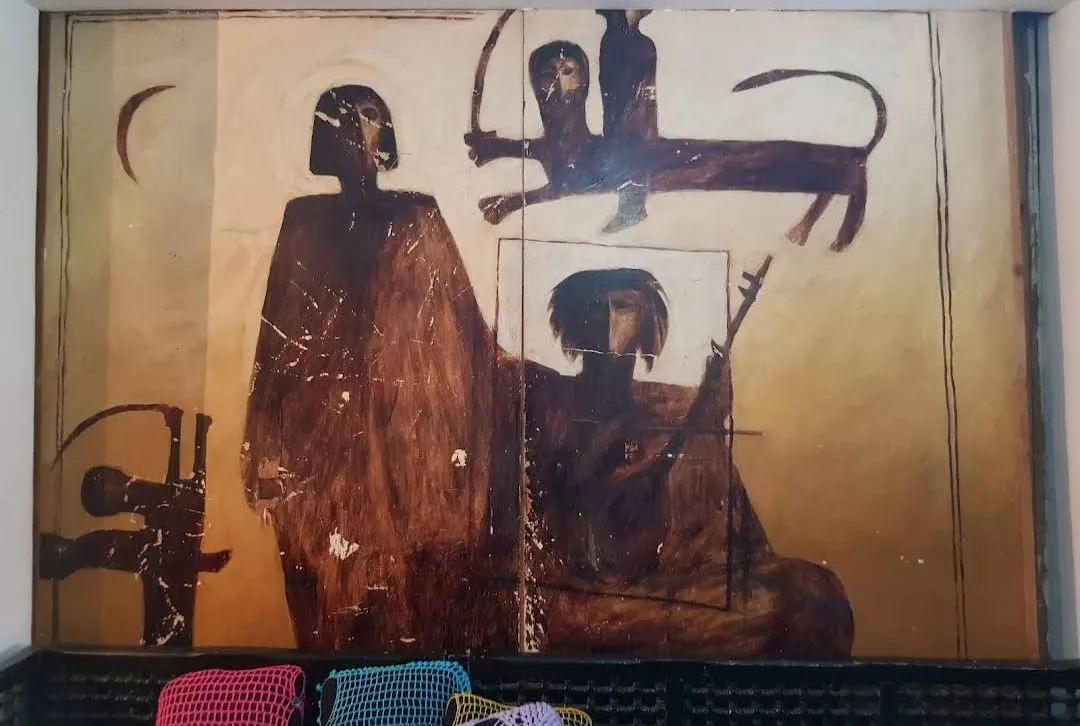
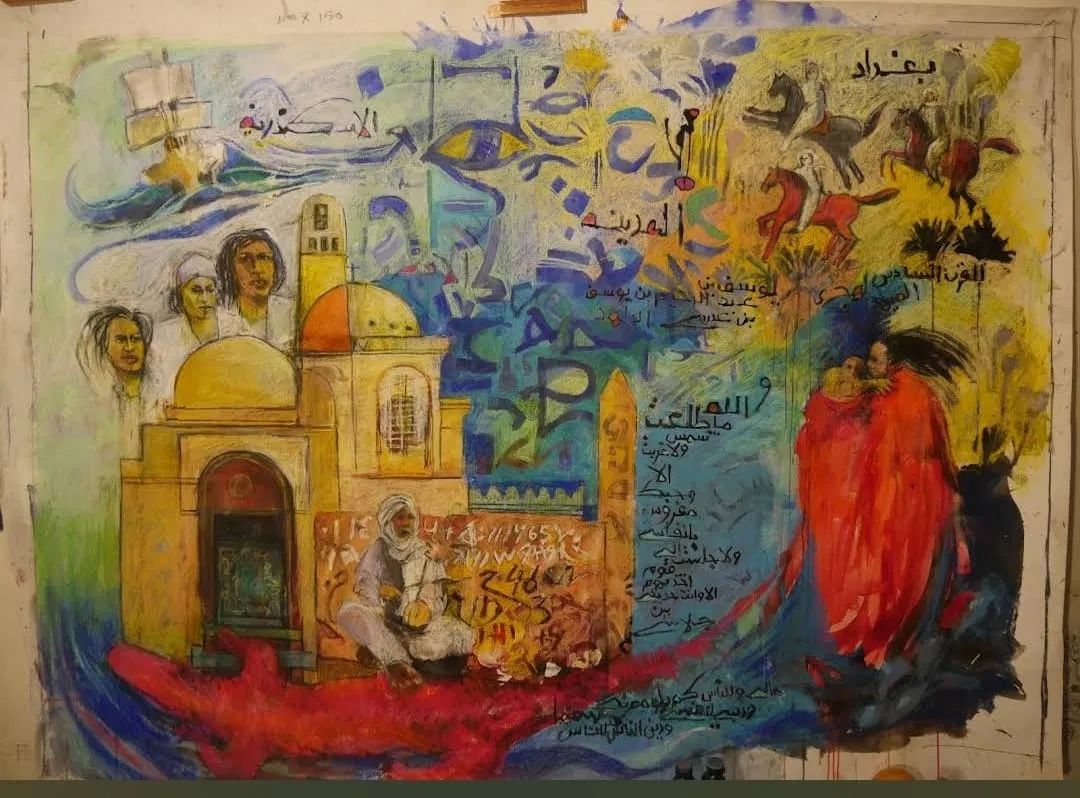
These early oil paintings by the Sudanese artist Adel Mubarak Kabida represent a significant stage in the formation of his artistic vision. They reveal an experience that, from its inception, tended to transcend the direct description of reality, moving towards the construction of a visual world based on introspection, reduction, and the search for the essence of things. In these works, the artist's interest is not so much in recording or reproducing the scene as it is in reformulating it according to a subjective vision that draws inspiration from memory, cultural heritage, and the local environment within modernist artistic approaches.
These paintings exhibit a clear tendency to construct compositions based on masses and areas of color, rather than relying on traditional perspective or realistic relationships between elements. Architecture and spatial vocabulary are not presented as independent descriptive elements, but rather become structural units that intertwine within a pictorial space where the boundaries between reality and imagination blur. The place here appears closer to a visual memory than a specific geographical location, where architectural masses, arches, and openings evoke features of the traditional Sudanese environment without falling into directness or literal documentation. Color treatment takes on particular importance in these works, dominated by a wide spectrum of calming earth tones ranging from yellow and brown to green and warm gray. These colors are not merely aesthetic choices, but play a symbolic role in reinforcing a sense of belonging to the land and evoking the historical and human dimensions of the place. Furthermore, the softening of sharp color contrasts lends the paintings a sense of tranquility and contemplation, enhancing the emotional dimension at the expense of direct visual narrative.
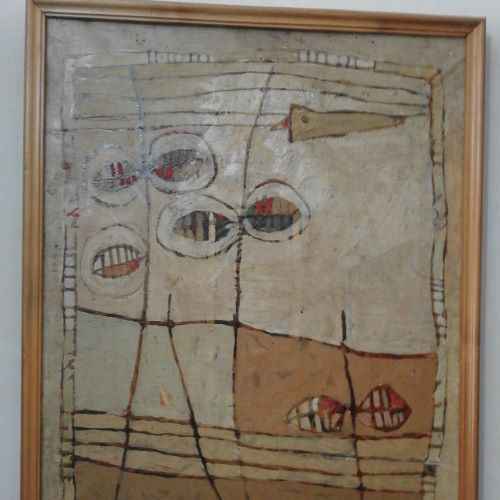
A striking feature of this early period is the artist's inclination to employ transparency, linear overlap, and material traces on the canvas surface, which imbues the works with a sense of temporal accumulation. The canvas surface does not appear as a smooth, closed space, but rather as a dynamic field bearing traces of deletion, addition, scratching, and modification. This gives the work expressive intensity and reveals the importance of the creative process itself as an integral part of artistic meaning.
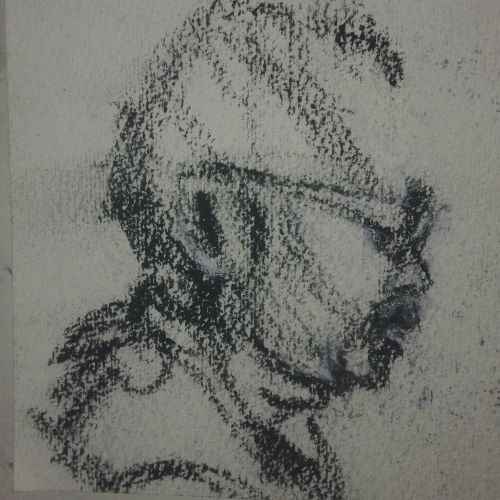
When the human element appears in these works, it does not emerge as an individual figure with defined features, but rather as a symbolic sign that encapsulates universal human experiences. Faces and bodies are stripped of their precise anatomical details, becoming more like masks or human spectral figures suspended between presence and absence. This reduction directs the viewer's attention toward the psychological and existential dimensions of the figures rather than their individual identities—a tendency consistent with expressionism, which prioritizes feelings and emotions over formal resemblance.
These works also reveal a growing inclination toward formal economy and structural simplification, where objects and visible elements are reduced to concise linear and chromatic signs and relationships. This trend reflects an early awareness of the values of abstract expressionism, without reaching a complete break with the realistic reference point. Forms remain recognizable, but they undergo continuous modification aimed at highlighting their symbolic and formative values rather than their external appearance.
These works, as a whole, clearly echo the research that characterized a generation of Sudanese artists who sought to reconcile local references with the concepts of artistic modernity. However, Adel Kabida does not merely borrow symbols or traditional vocabulary; rather, he reformulates them within a personal visual structure characterized by tranquility, contemplation, and a departure from direct rhetoric. This is where the uniqueness of his experience emerges, as it originates from the Sudanese environment but extends to broader human and aesthetic questions.
The true value of these works lies not only in their representation of an early stage in the artist's journey but also in their unveiling of the initial features of an artistic project conscious of the importance of the relationship between form and memory, and between artistic material and cultural significance. These works establish a vision that sees art as a means of reclaiming and reconstructing the world, not merely recording it. They affirm the artist's ability to transform elements of daily life and the local environment into a visual language characterized by depth, richness, and multiple interpretations. From this perspective, these works can be viewed as an important aesthetic document that records the beginnings of an artistic experience that has contributed to enriching the trajectory of contemporary Sudanese visual art.
Kamal Hashim
Dongola, June 18, 2026
Artist / Adel Mubarak Othman Kebidah
Birth and boyhood:
Born in Khartoum, on 04-12-1955
Growing up and boyhood, the city of Port Sudan
Academic studies:
- Education in Port Sudan primary, intermediate and secondary schools
- College of Fine and Applied Arts, University of Sudan, Department of Photography, Khartoum
Master's degree in Traditional African Painting and its Impact on Contemporary Sudanese Painting at the Faculty of Arts, Helwan University, Egypt
- Diploma in Folk Art, Academy of Arts, Giza, Egypt
- Studying Marketing, The American University in Cairo
The economic activity :
Teaching at various educational levels
A private office for advertising and media production
- Art designer at Al-Ayyam Sudanese newspaper
- Working in publishing houses to design books and magazines
An engineering office for the design and implementation of interior architecture
- Working in private sector companies in the marketing department in Cairo and Sudan
Marketing consultancy office
Marital status: Married and father of three children
Artistic and theatrical activity:
Theater and film actor
Scenography designer and preparer in the field of local, regional and international theater and cinema
Prepared for a story board in some fictional and advertising works
- Co-founder of Al-Thaghar Division, Port Sudan
Co-founder of the Cairo Theater Group
- Researcher and member of theatrical jury
Fine art activity:
Solo exhibitions and local and regional group participations
- Participant in international, regional and international competitions
- Received international awards in the field of photography and certificates of honor
# Second International Cairo Biennale Award - Egypt
# Mediterranean Triennale - Egypt
# Fujairah International Arts Festival - UAE
#Luxor Photography Symposium - Egypt
# Sharjah International Biennial - UAE
# International Mahres Festival - Tunisia
#Tayeb Salih Book Award Festival - Sudan
- Participant in regional and international working papers
- Researcher and critic in the field of arts
- Fine art experience in the field of photography under the name (plastic experiment outside the frame)
General artistic activity:
- Preparing and supervising cultural festivals
# Sudanese Cultures Festival
#Sinnar, capital of Islamic culture
# Karmakol Cultural Festival
- Technical consultations for the urban behavior promotion project in Khartoum state
Adel Kabida's Studio Location
https://maps.app.goo.gl/g18QGPKqvFuBjttx6
The beginning of professionalism within Sudan in 1979
Beginning of professional career abroad in Egypt in 1983 AD
Myth and Folk Tales: A Critical Approach to the Works of Mohamed Orabi and Adel Kabida (3/4)
✦ Part Three: Mohamed Orabi – The Folk Tale as a Visual Scene
While Adel Kabida delves into the worlds of symbols, myths, and Sufi rituals, Mohamed Orabi stands on the other side of the spectrum, where the everyday folk tale becomes the raw material for his artistic creation. Orabi is a son of the Egyptian countryside, where fields mingle with the Nile, women with labor, and collective memory with harvest songs and folk tales. Hence, his works are imbued with the vibrancy of daily life, yet infused with a dose of myth that makes the ordinary scene seem to belong to a world of magic.
In one of his accompanying paintings, we see rural women sitting amidst baskets of fruit, surrounded by vibrant colors: the bright red of pomegranates, the warm yellow of corn, and the lush green of leaves. On the surface, the scene appears to depict familiar rural life, but the exquisite composition and the vibrancy of the colors give it a dimension that transcends documentation and enters the realm of myth. The woman here is not merely an ordinary peasant woman, but an icon of life and fertility, as if she were an extension of the ancient Egyptian goddess Isis, who nurtured the Nile and the crops.
In another painting, we see a river scene: white boats crossing the blue surface of the Nile, the sky stretching out like a horizon open to dreams. This scene, which Egyptians witness daily, is transformed in Orabi's hands into a painting charged with narrative. The Nile here is not just a river, but a mythical entity, the father, protector, and giver of life. Thus, the folk tale is revived in a visual form that makes the river a living character, telling an endless story.
Orabi's use of color is one of his most distinctive features. He does not use it as a decorative element, but as a tool for conveying meaning. For him, red is not just a color, but the lifeblood and pulse of the story, and green is not only a symbol of nature, but a sign of hope and rebirth. The colors in his paintings are not to be read in isolation from their popular meaning, but are visual codes that transport the viewer to a rural world brimming with stories and symbols. The folk tale in Orabi's works is not extraneous or superfluous; rather, it is the very essence of his artistic experience. Each painting tells a story: of women during harvest season, of children at play, of boats crossing the Nile, of a market brimming with fruit. But these stories are not presented as they are told orally; instead, they are crafted in a unique visual language that allows the viewer to perceive the everyday as part of a timeless, mythical epic.
Orabi's paintings reflect a profound awareness that art is not merely the embellishment of the world, but its rediscovery. The countryside, which may appear simple and ordinary, is transformed in his paintings into a world of symbols. The woman becomes an icon, the Nile a myth, fruit symbols of fertility and echoes of events and memories, and the entire scene becomes a visual text that engages with Egyptian folk tales.
Thus, Orabi's work can be seen as a bridge between the real and the mythical. He does not sever ties with daily life, but rather reshapes it in a way that imbues it with symbolism. His paintings seem to say: in every simple, everyday scene lies a legend, in every rural woman an echo of Isis, and in every pomegranate a tale of fertility and life.
Mohamed Orabi
Adil Kebada
Early Works by Adel Kabida
These early oil paintings by the Sudanese artist Adel Mubarak Kabida represent a significant stage in the formation of his artistic vision. They reveal an experience that, from its inception, tended to transcend the direct description of reality, moving towards the construction of a visual world based on introspection, reduction, and the search for the essence of things. In these works, the artist's interest is not so much in recording or reproducing the scene as it is in reformulating it according to a subjective vision that draws inspiration from memory, cultural heritage, and the local environment within modernist artistic approaches.
These paintings exhibit a clear tendency to construct compositions based on masses and areas of color, rather than relying on traditional perspective or realistic relationships between elements. Architecture and spatial vocabulary are not presented as independent descriptive elements, but rather become structural units that intertwine within a pictorial space where the boundaries between reality and imagination blur. The place here appears closer to a visual memory than a specific geographical location, where architectural masses, arches, and openings evoke features of the traditional Sudanese environment without falling into directness or literal documentation. Color treatment takes on particular importance in these works, dominated by a wide spectrum of calming earth tones ranging from yellow and brown to green and warm gray. These colors are not merely aesthetic choices, but play a symbolic role in reinforcing a sense of belonging to the land and evoking the historical and human dimensions of the place. Furthermore, the softening of sharp color contrasts lends the paintings a sense of tranquility and contemplation, enhancing the emotional dimension at the expense of direct visual narrative.
A striking feature of this early period is the artist's inclination to employ transparency, linear overlap, and material traces on the canvas surface, which imbues the works with a sense of temporal accumulation. The canvas surface does not appear as a smooth, closed space, but rather as a dynamic field bearing traces of deletion, addition, scratching, and modification. This gives the work expressive intensity and reveals the importance of the creative process itself as an integral part of artistic meaning.
When the human element appears in these works, it does not emerge as an individual figure with defined features, but rather as a symbolic sign that encapsulates universal human experiences. Faces and bodies are stripped of their precise anatomical details, becoming more like masks or human spectral figures suspended between presence and absence. This reduction directs the viewer's attention toward the psychological and existential dimensions of the figures rather than their individual identities—a tendency consistent with expressionism, which prioritizes feelings and emotions over formal resemblance.
These works also reveal a growing inclination toward formal economy and structural simplification, where objects and visible elements are reduced to concise linear and chromatic signs and relationships. This trend reflects an early awareness of the values of abstract expressionism, without reaching a complete break with the realistic reference point. Forms remain recognizable, but they undergo continuous modification aimed at highlighting their symbolic and formative values rather than their external appearance.
These works, as a whole, clearly echo the research that characterized a generation of Sudanese artists who sought to reconcile local references with the concepts of artistic modernity. However, Adel Kabida does not merely borrow symbols or traditional vocabulary; rather, he reformulates them within a personal visual structure characterized by tranquility, contemplation, and a departure from direct rhetoric. This is where the uniqueness of his experience emerges, as it originates from the Sudanese environment but extends to broader human and aesthetic questions.
The true value of these works lies not only in their representation of an early stage in the artist's journey but also in their unveiling of the initial features of an artistic project conscious of the importance of the relationship between form and memory, and between artistic material and cultural significance. These works establish a vision that sees art as a means of reclaiming and reconstructing the world, not merely recording it. They affirm the artist's ability to transform elements of daily life and the local environment into a visual language characterized by depth, richness, and multiple interpretations. From this perspective, these works can be viewed as an important aesthetic document that records the beginnings of an artistic experience that has contributed to enriching the trajectory of contemporary Sudanese visual art.
Kamal Hashim
Dongola, June 18, 2026
AK1

AK2
AK3
AK4
AK5
AK6
AK7
Akebida1
Akebeida2

Akebeida3
Akebeida4

Akebeida5
Akebeida10
Akebeida6
Akebeida7

Akebeida8

Akebeida9

Adel Kebeida 18
Adel Kebeida 19
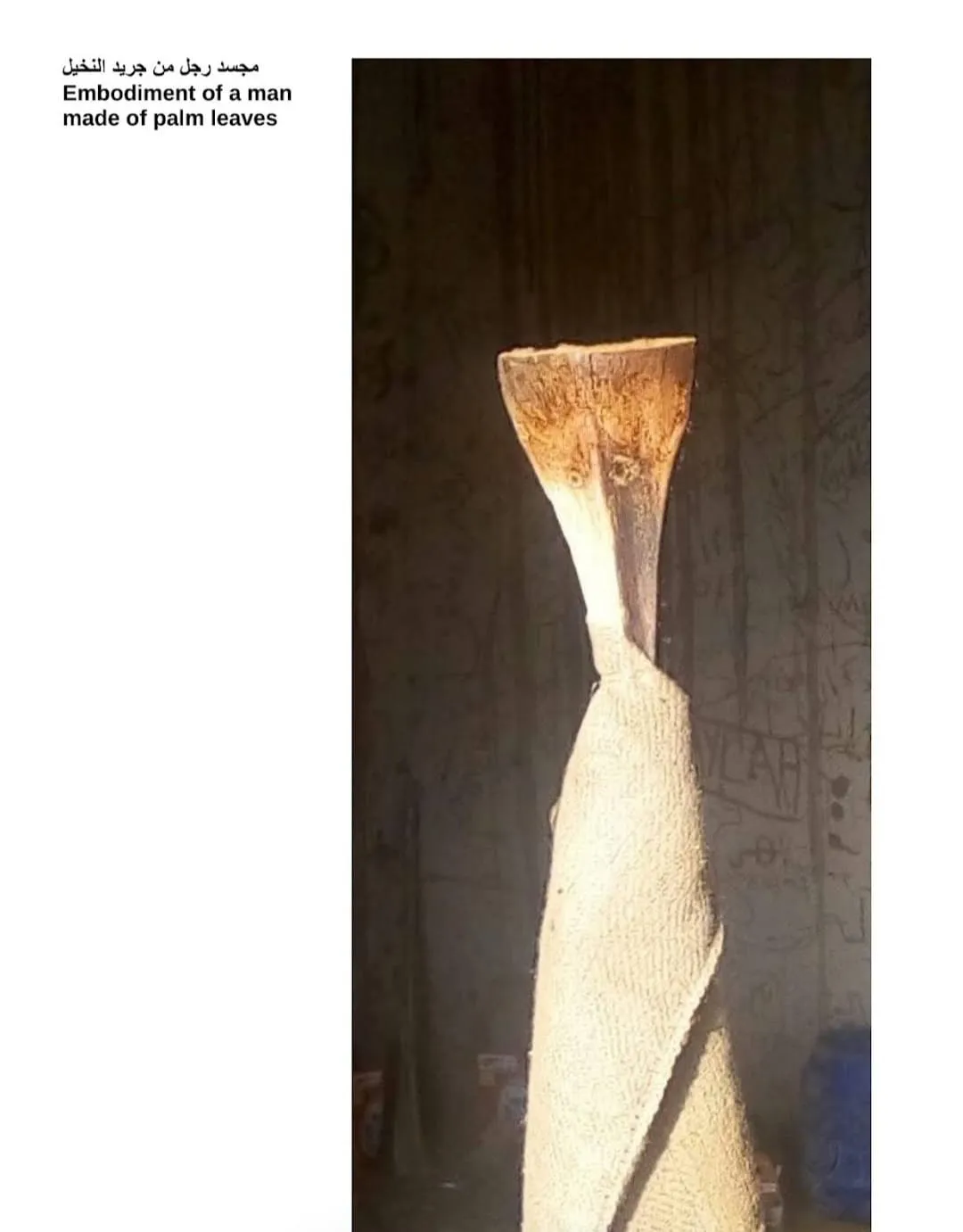
Adel Kebeida 20
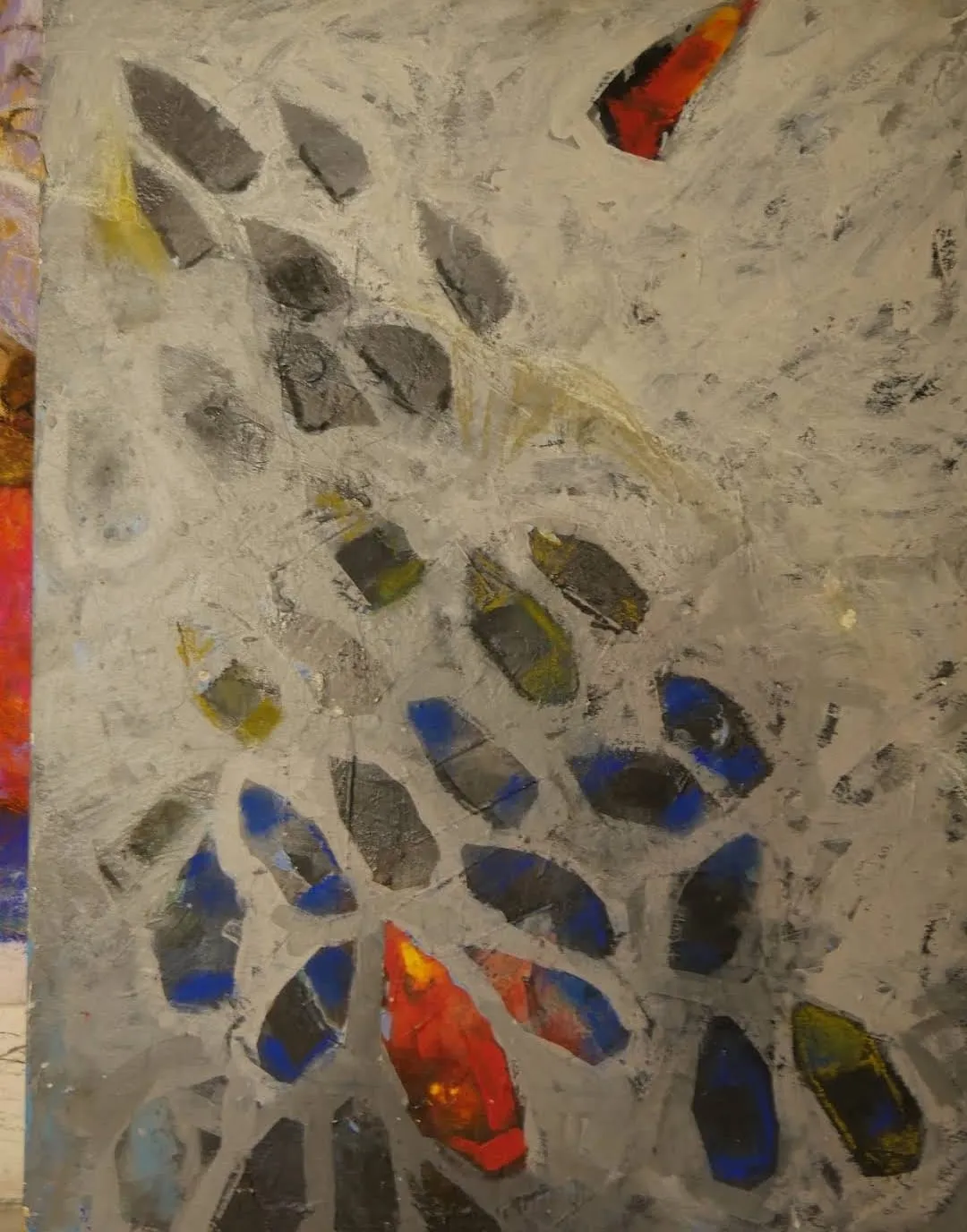
Adel Kebeida 21
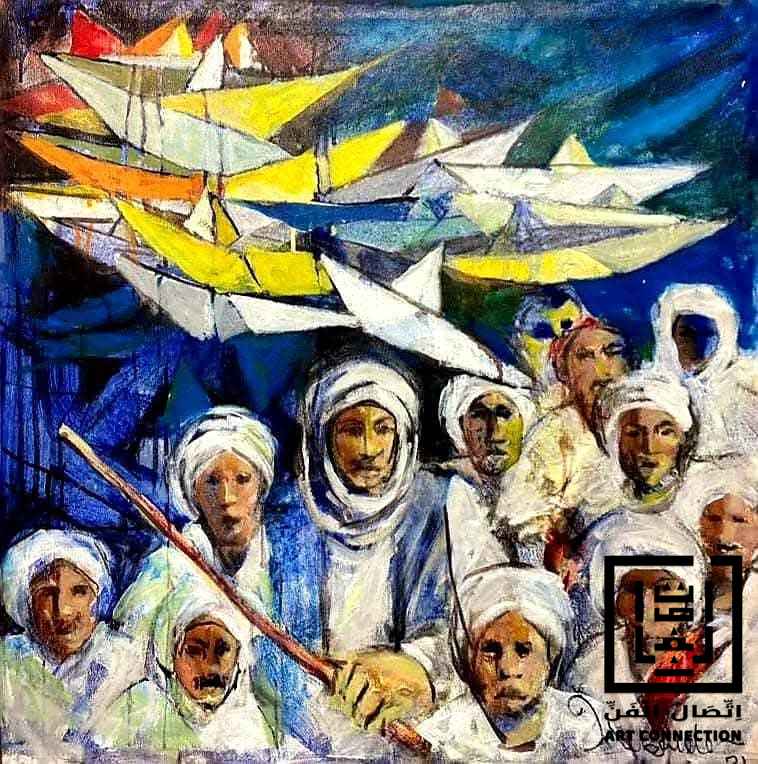
Adel Kebeida 22
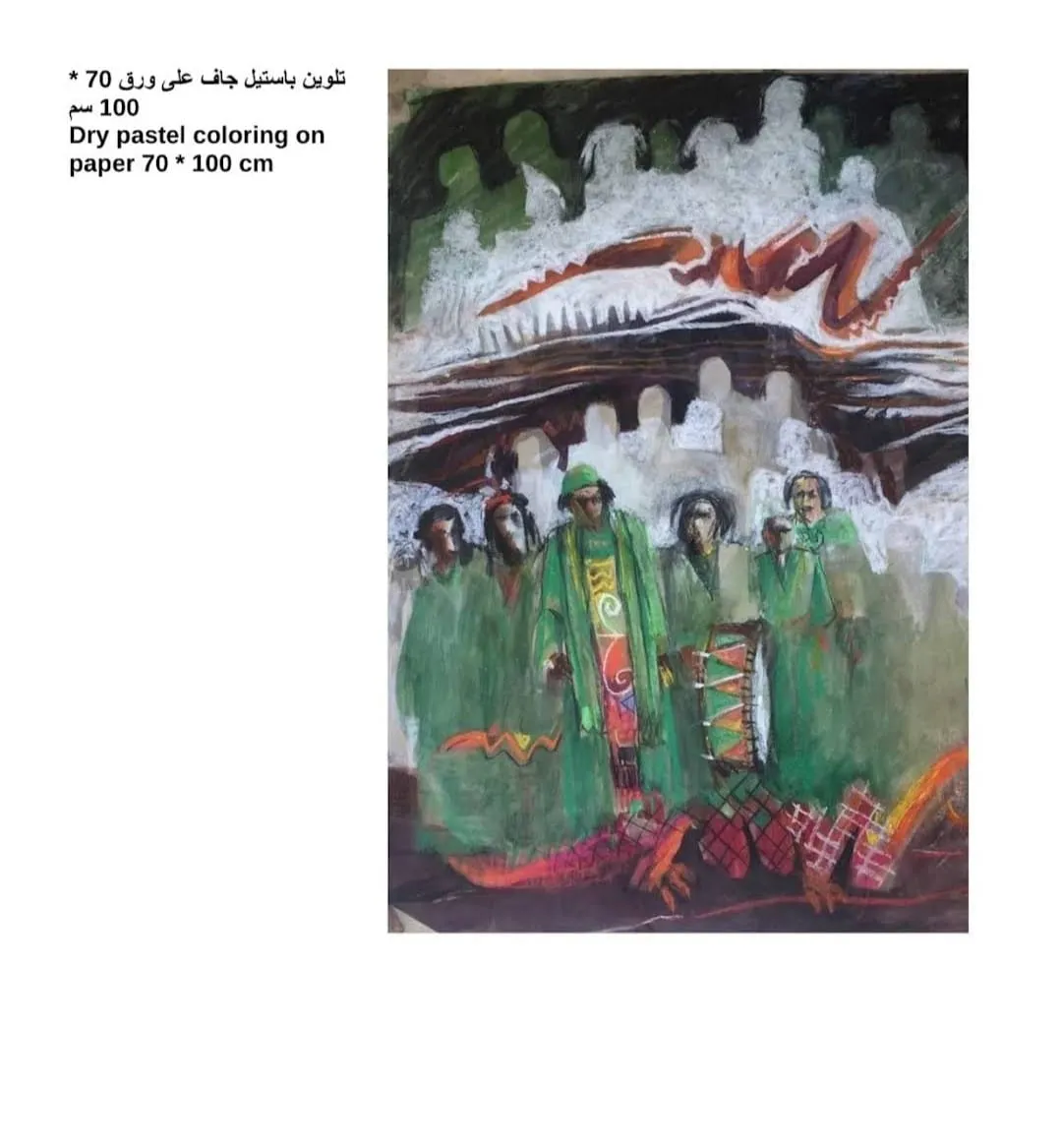
Adel Kebeida 23
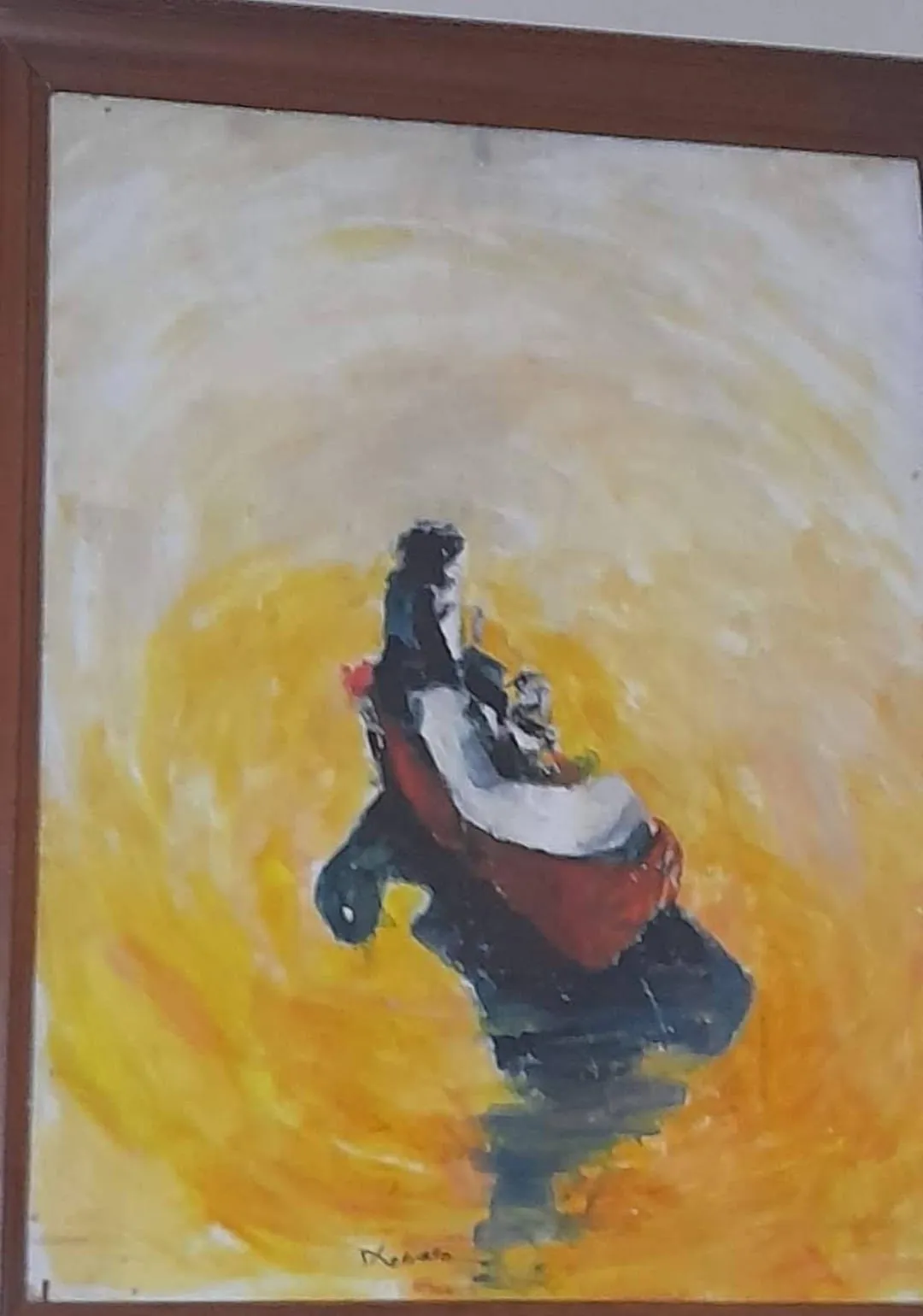
Adel Kebeida 24
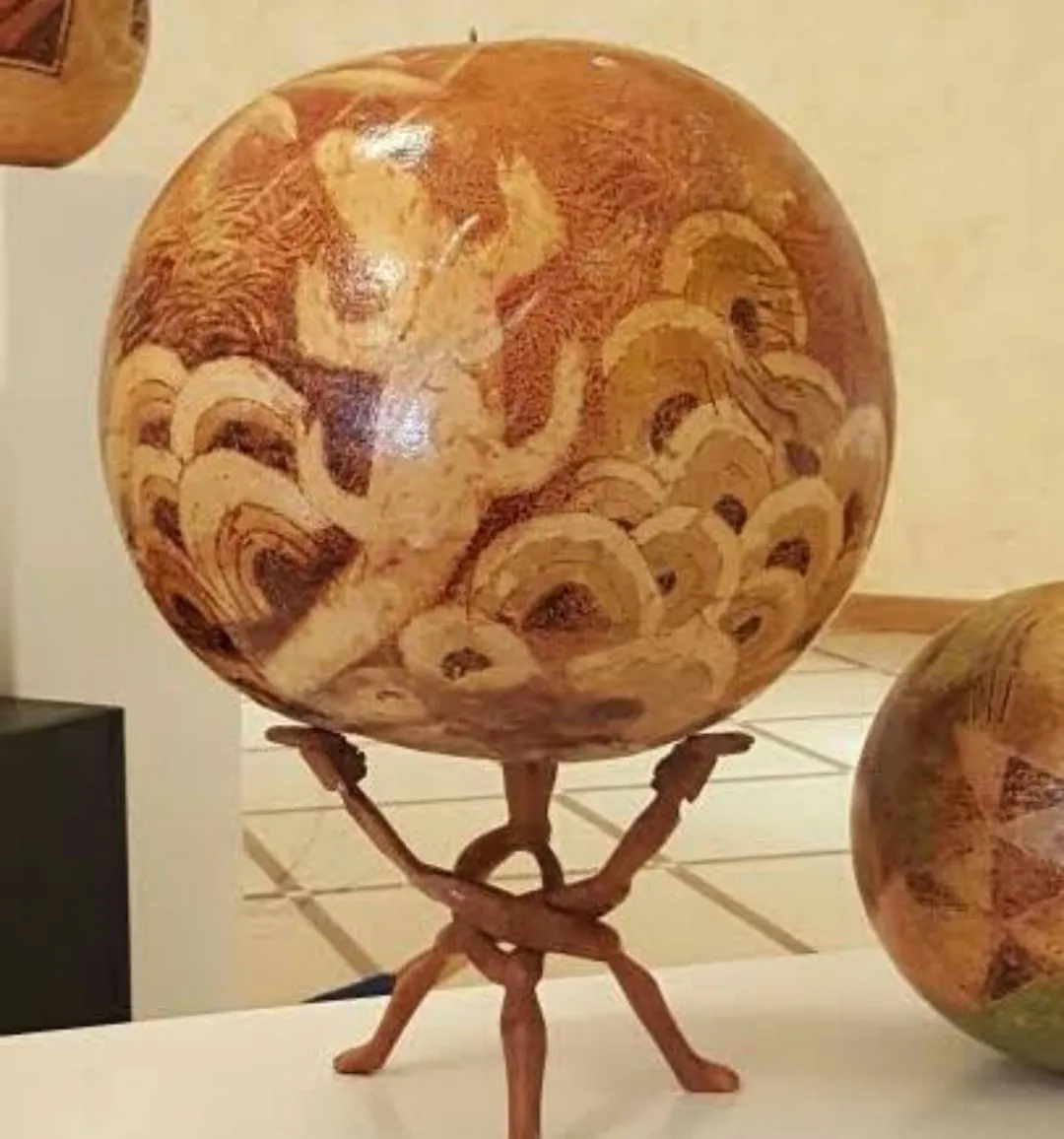
Adel Kebeida 25
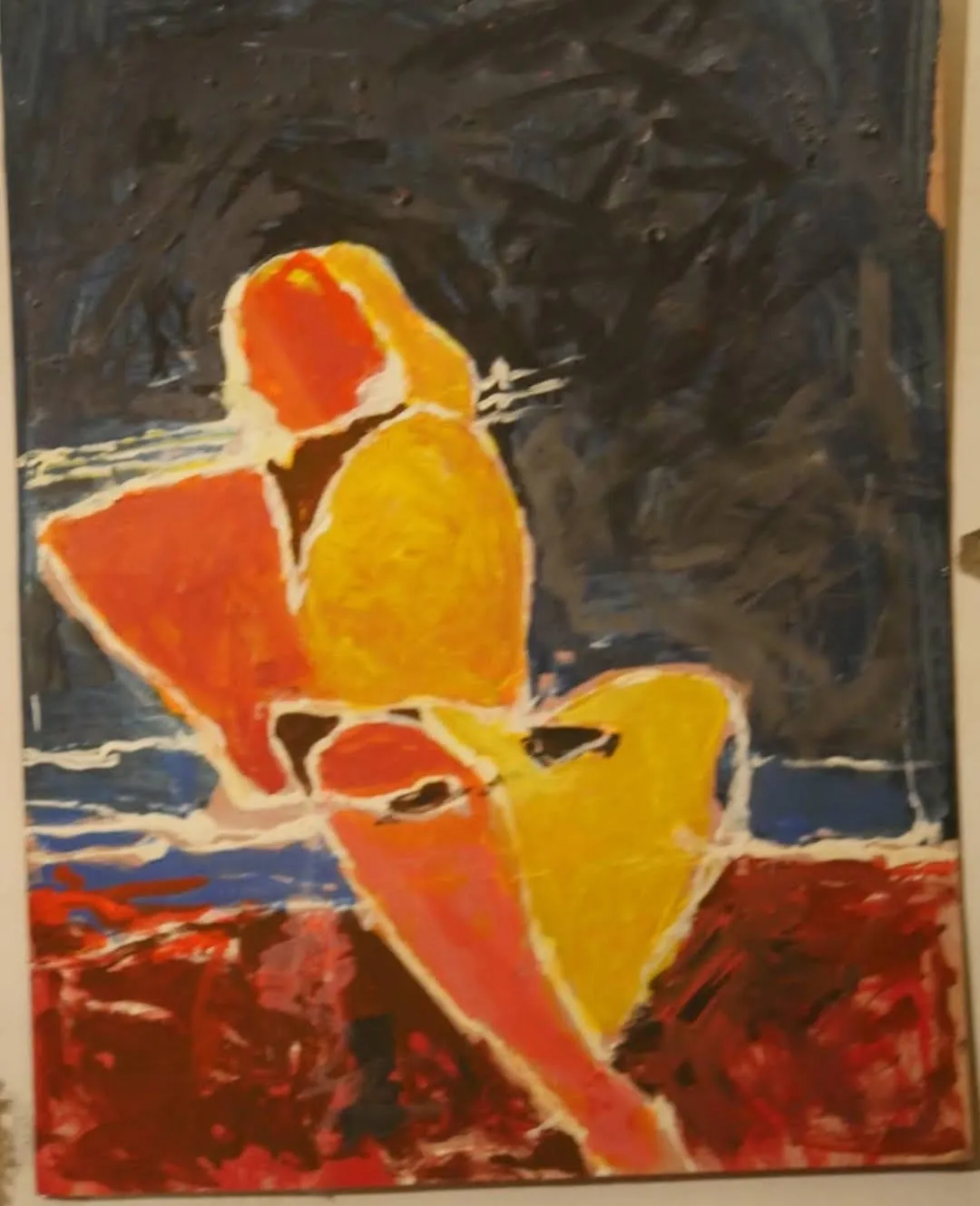
Adel Kebeida 26
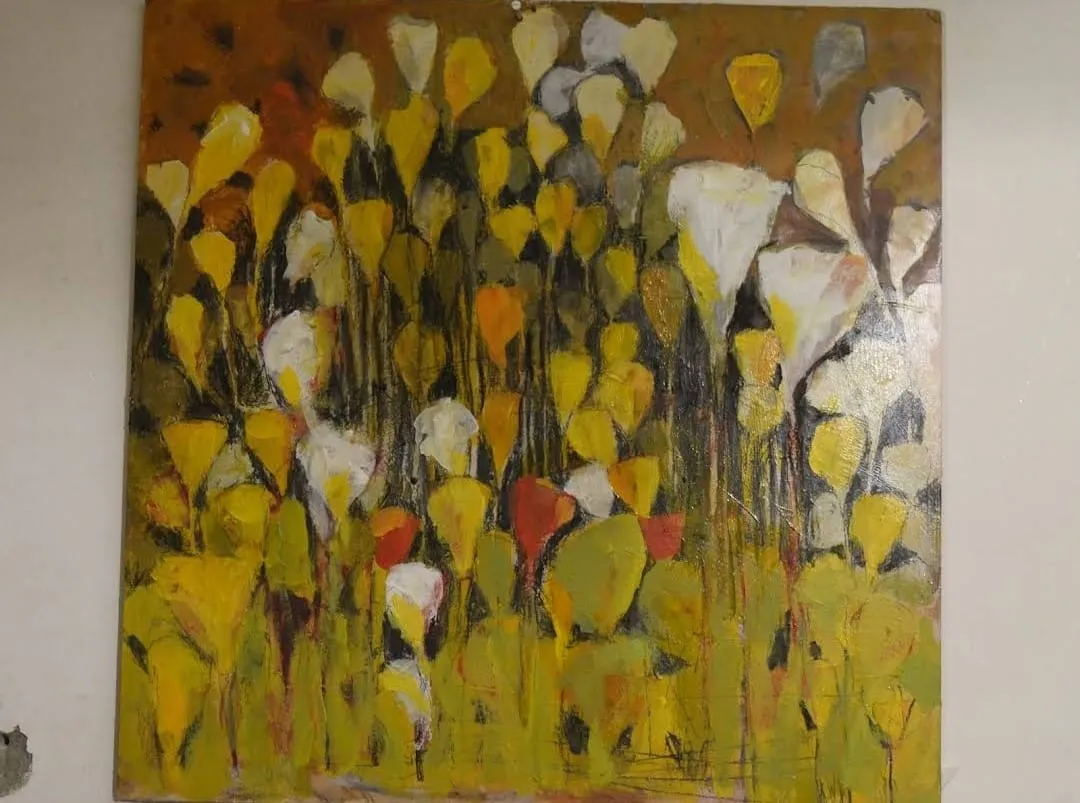
Adel Kebeida 27
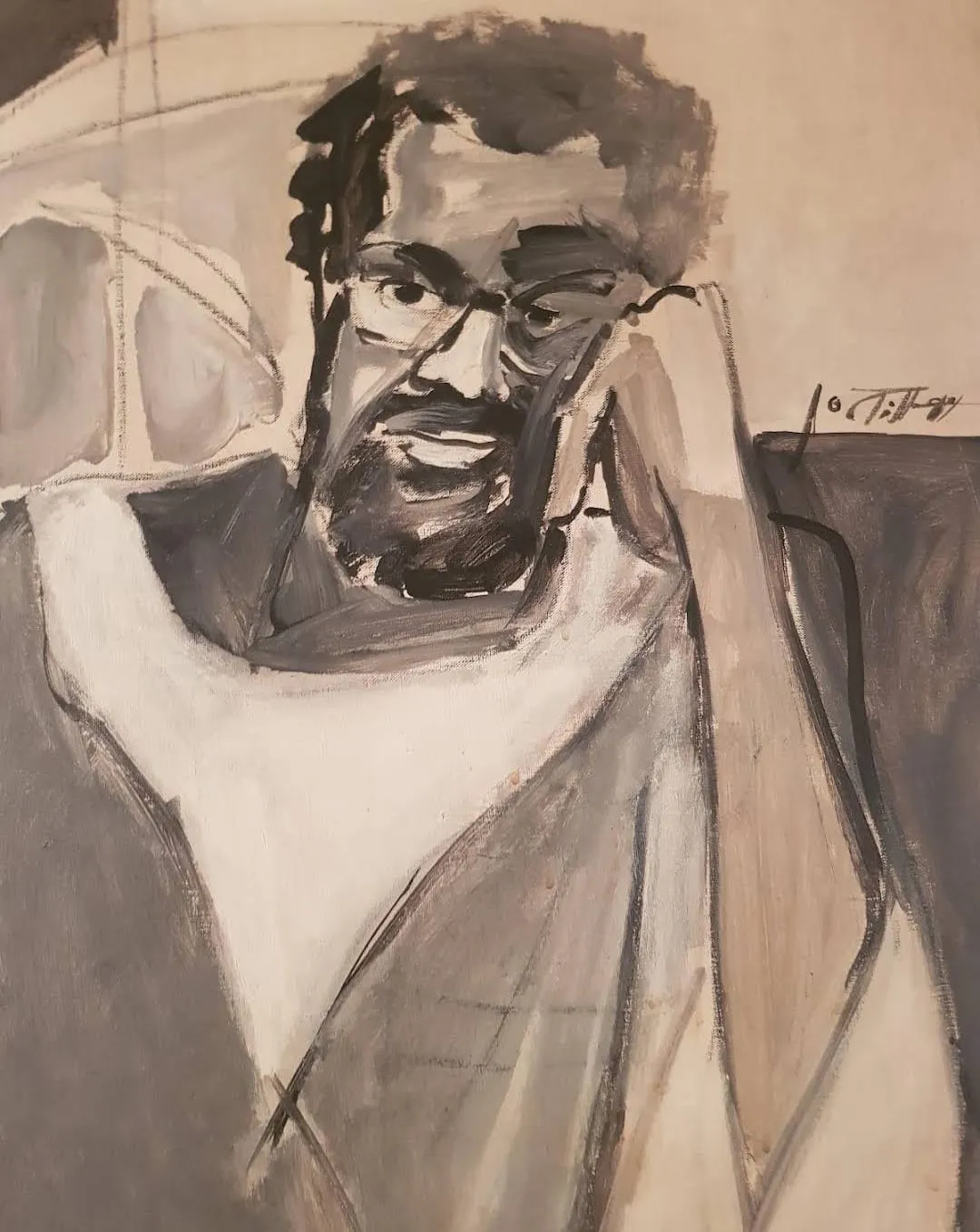
Adel Kebeida 28
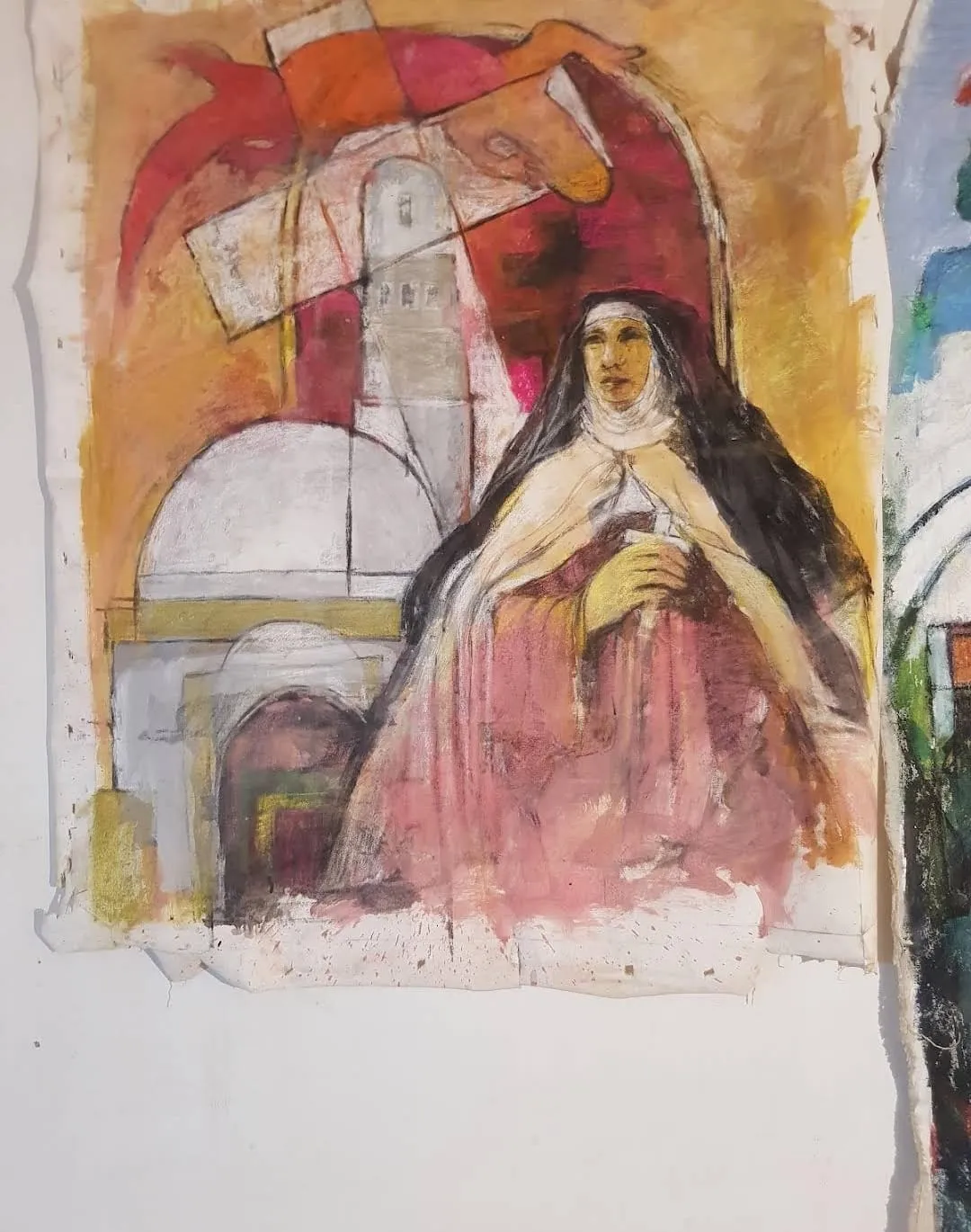
Adel Kebeida 29
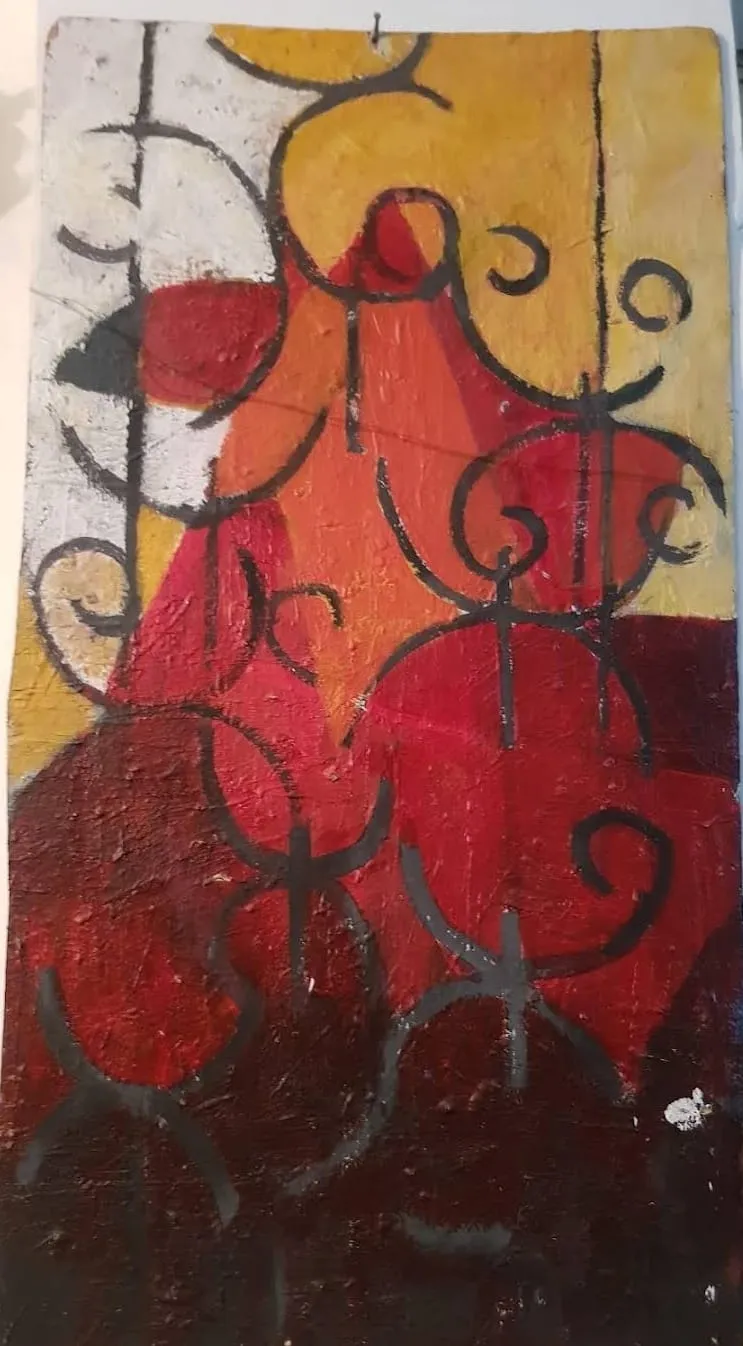
Adel Kebeida 30
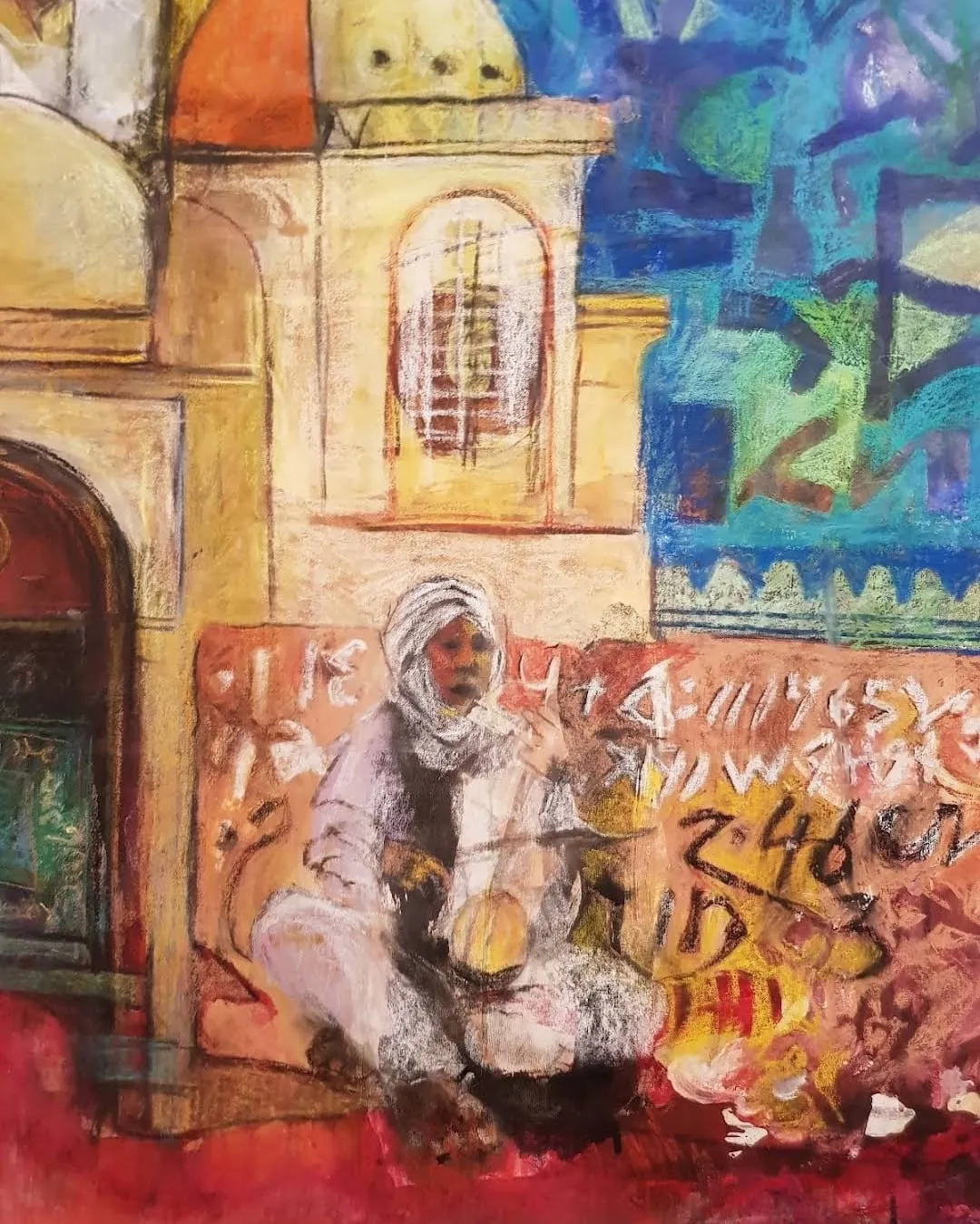
Adel Kebeida 31
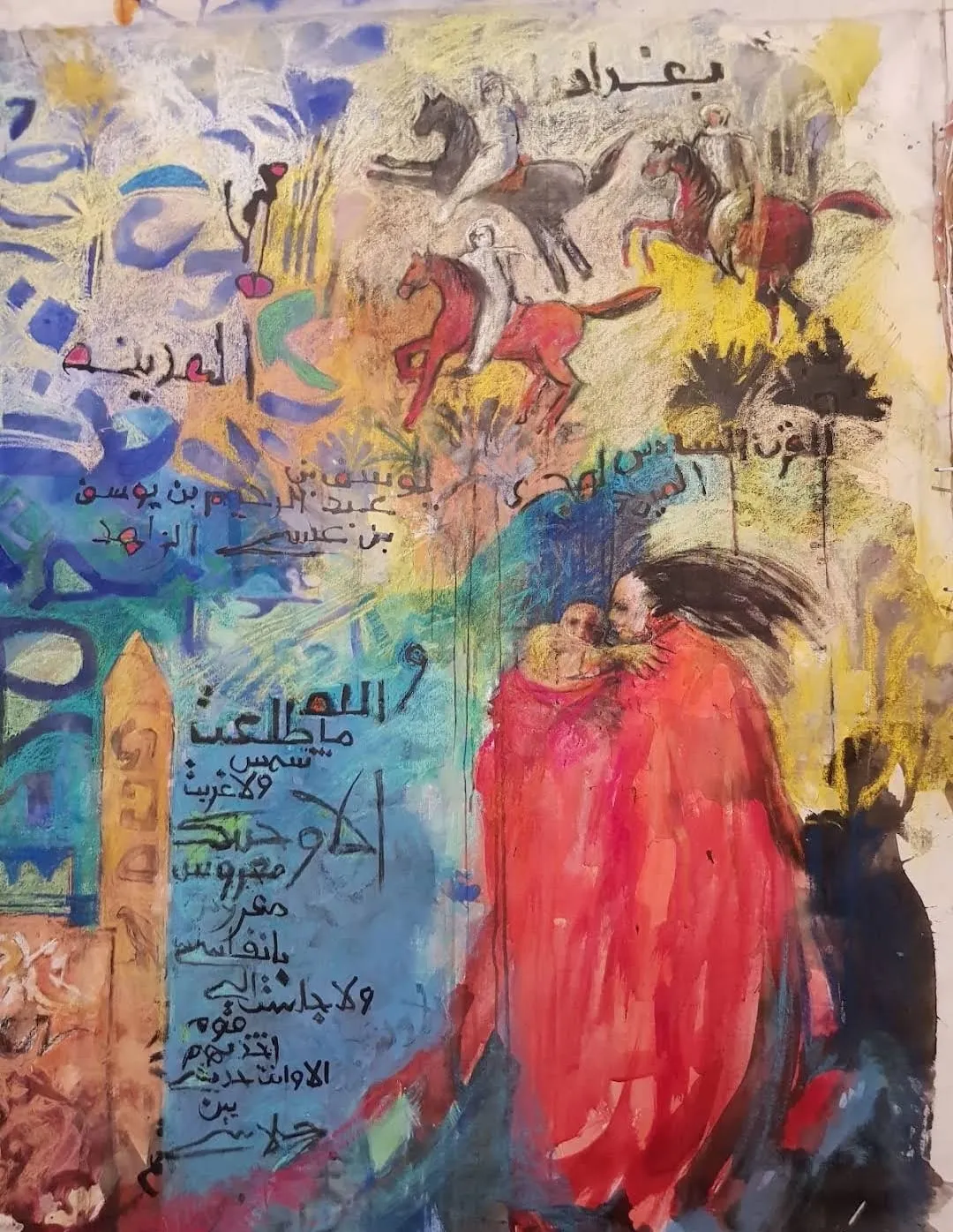
Adel Kebeida 32
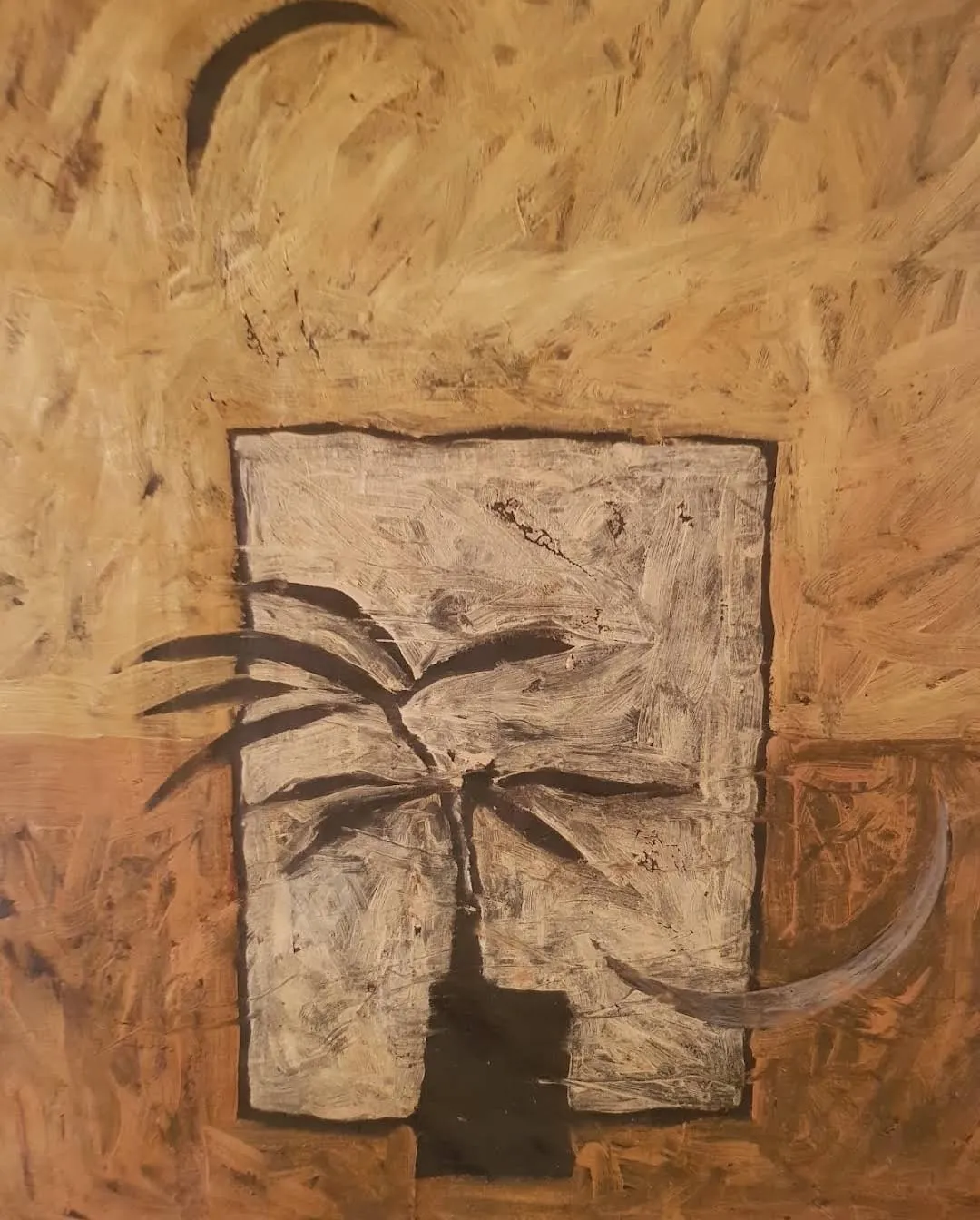
Adel Kebeida 33
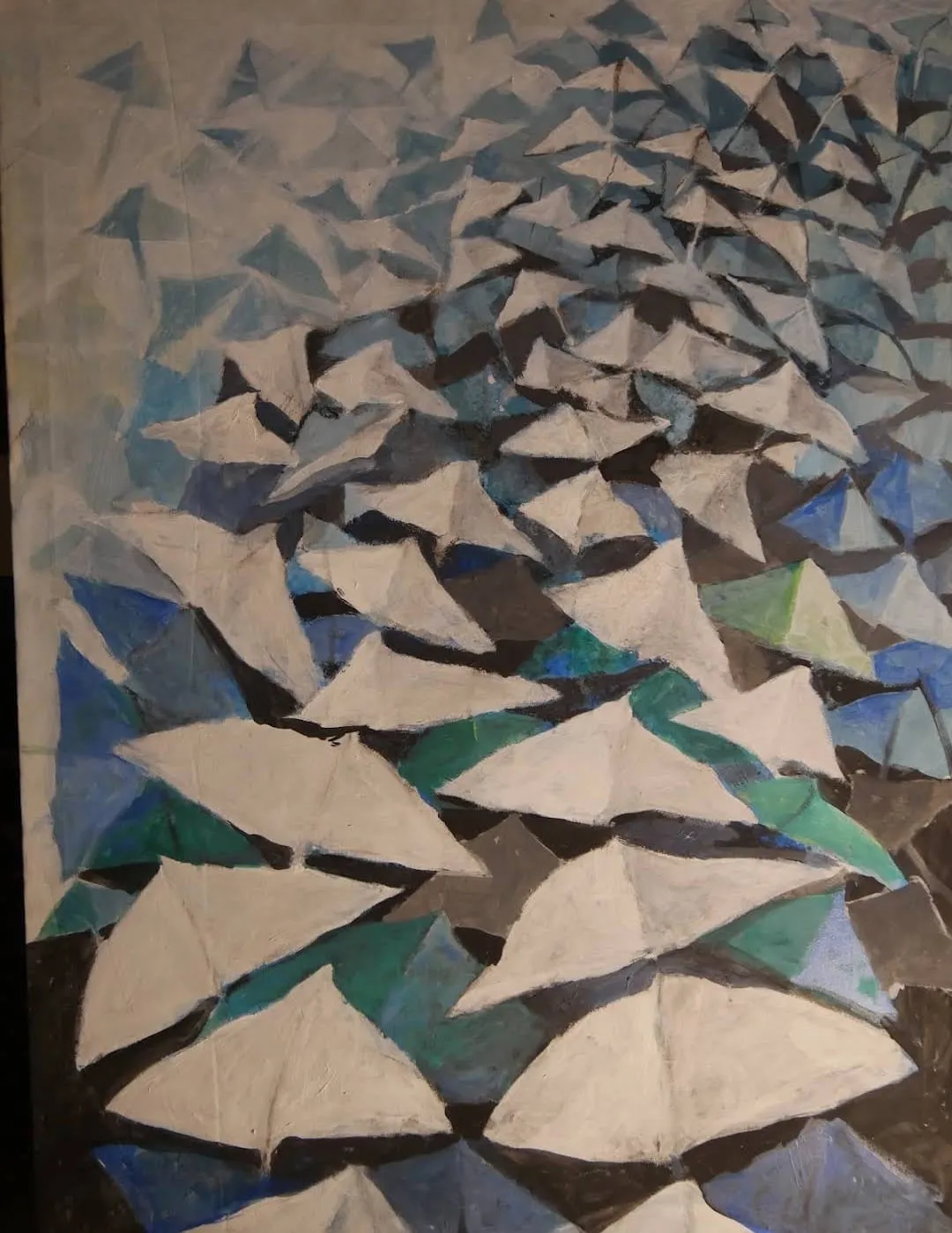
Adel Kebeida 34
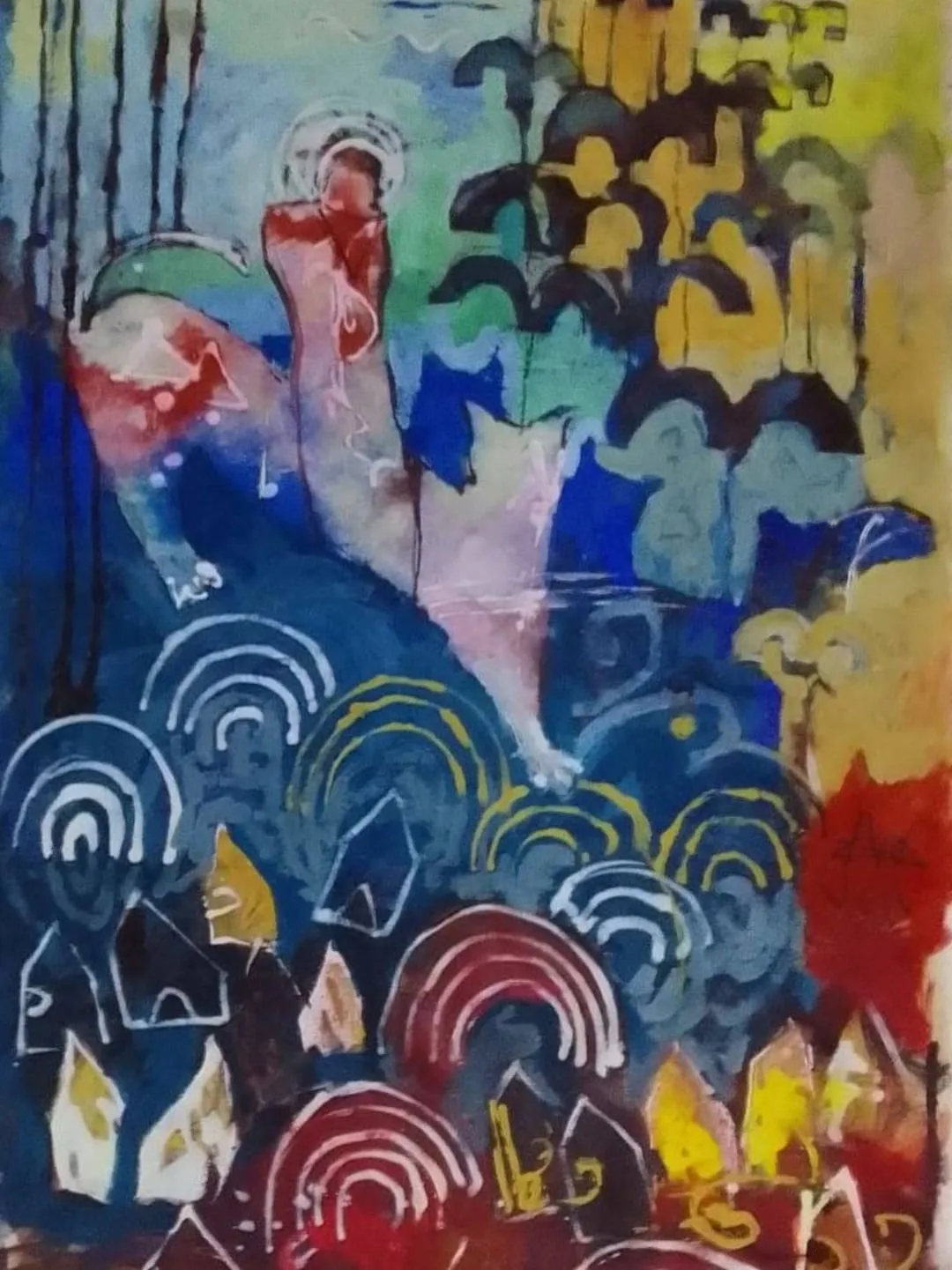
Adel Kebeida 35
Adel Kebeida 36
Adel Kebeida 37
Adel Kebeida 38
Adel Kebeida 39
Adel Kebeida 40
Adel Kebeida 41
Adel Kebeida 42
Adel Kebeida 43
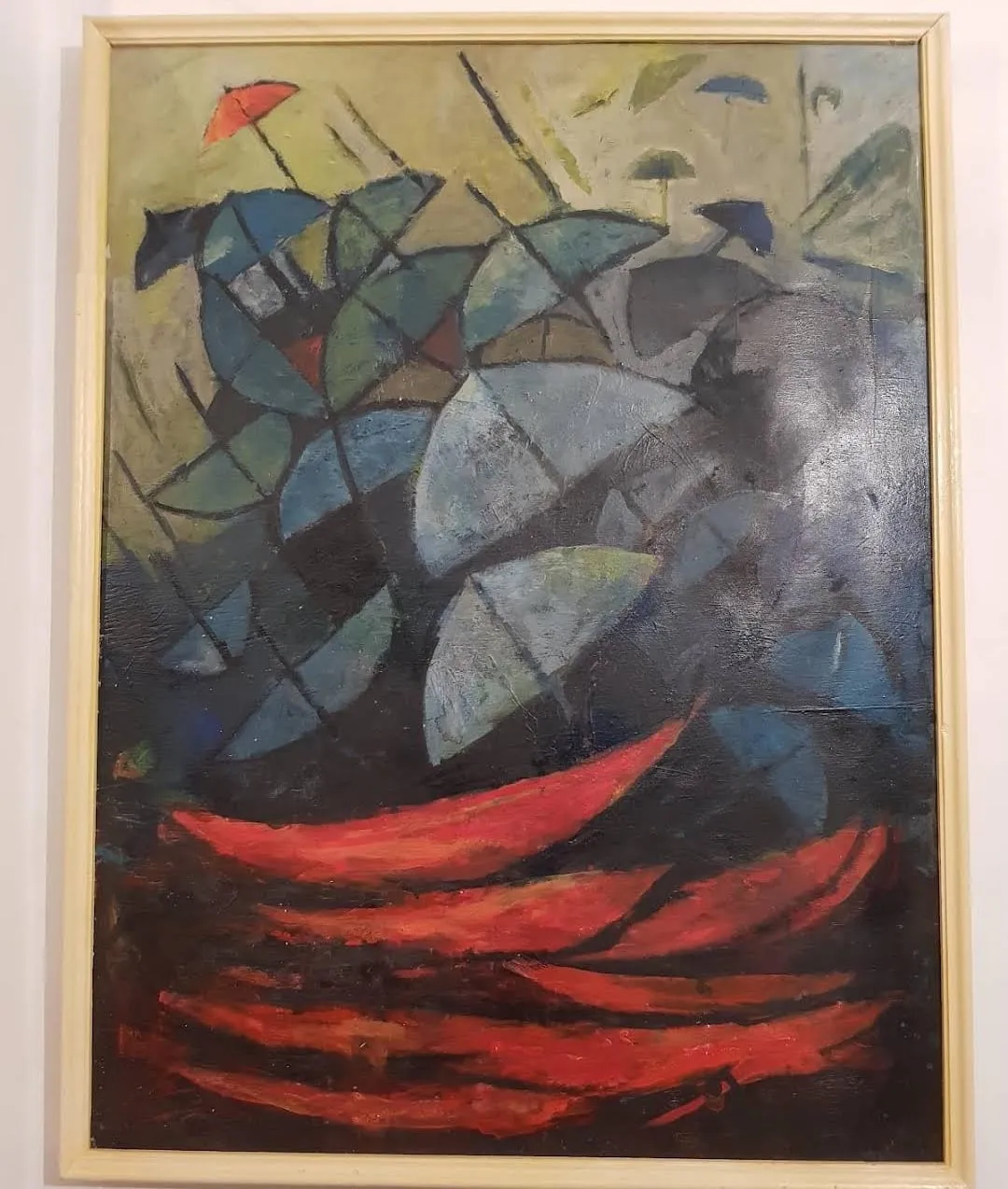
Adel Kebeida 44
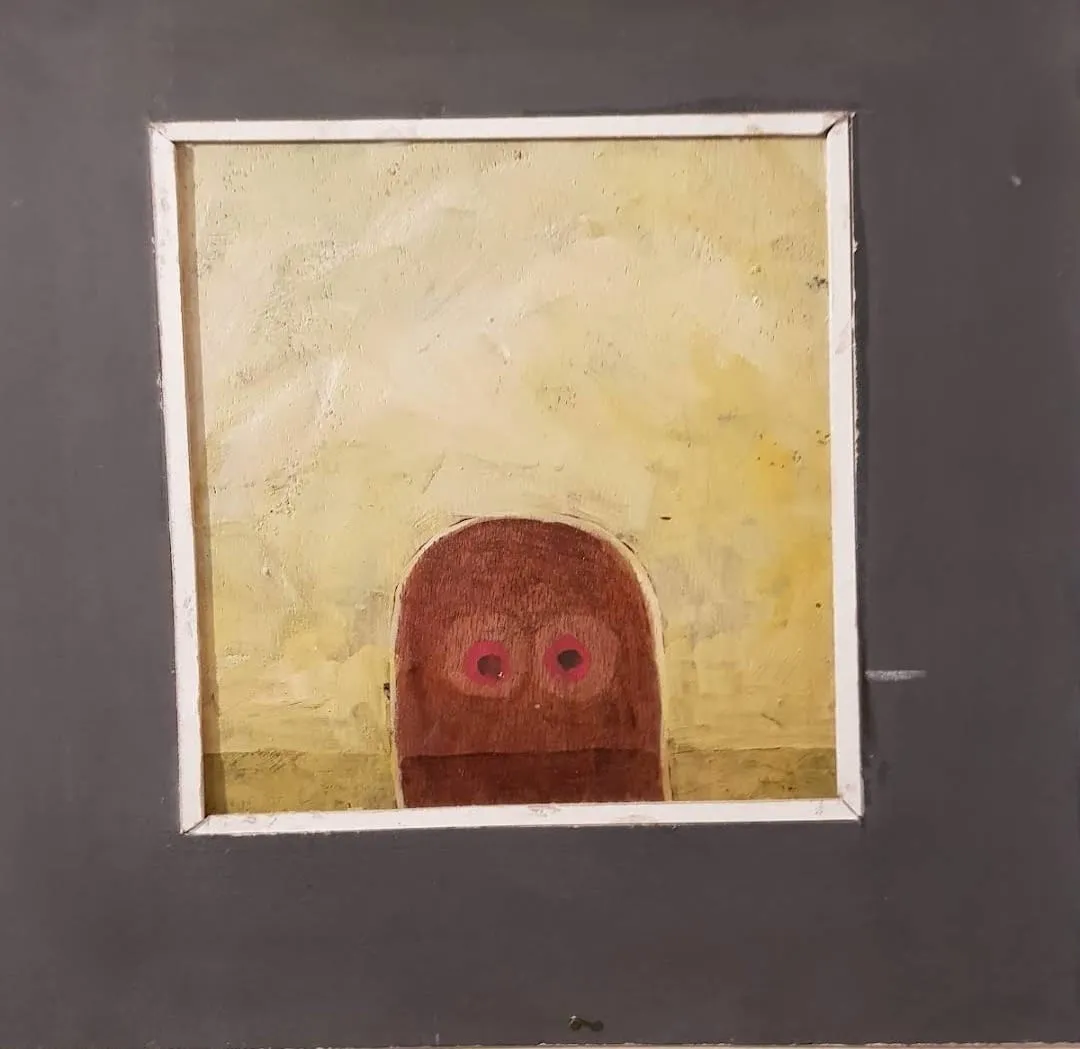
Adel Kebeida 45
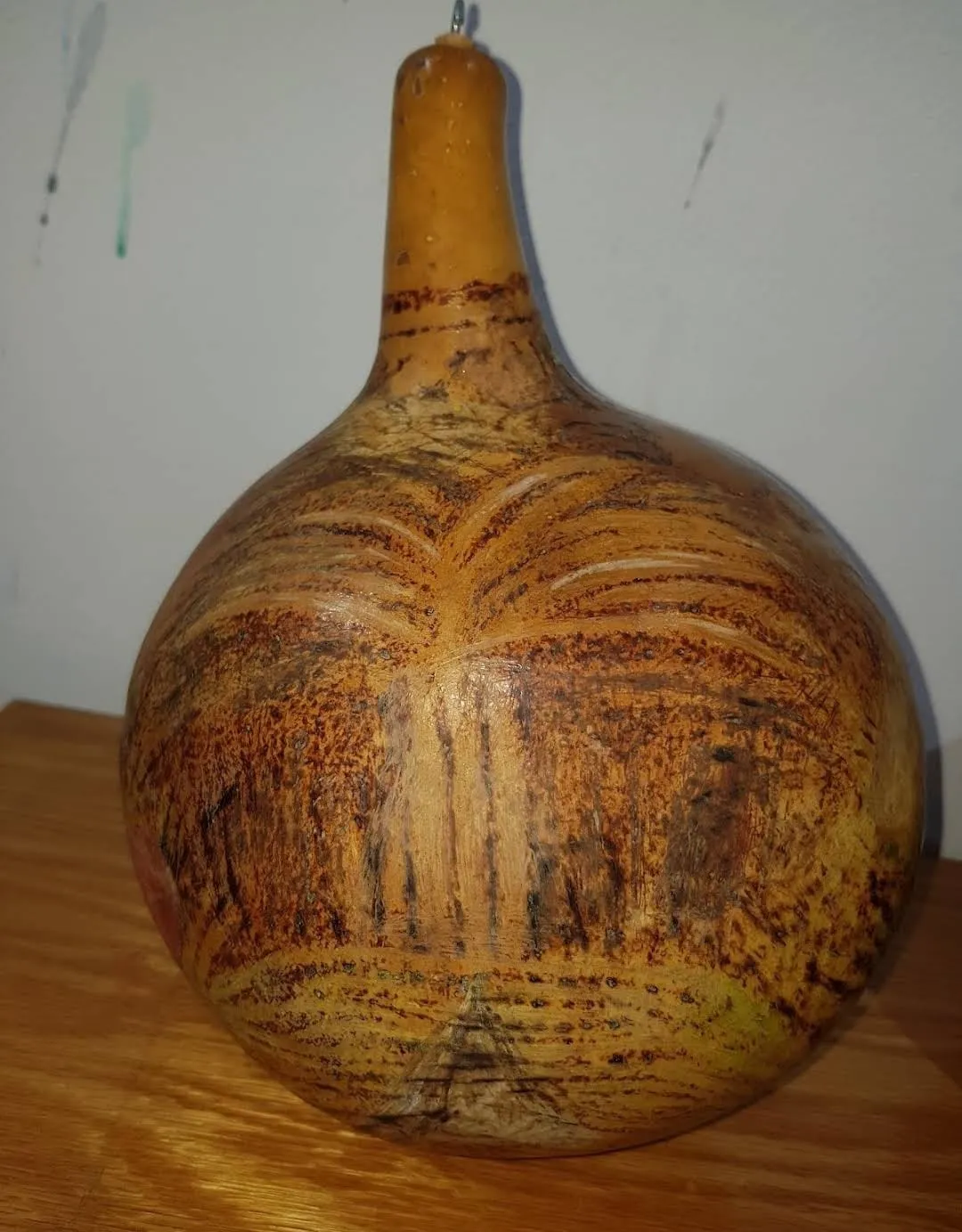
Adel Kebeida 46
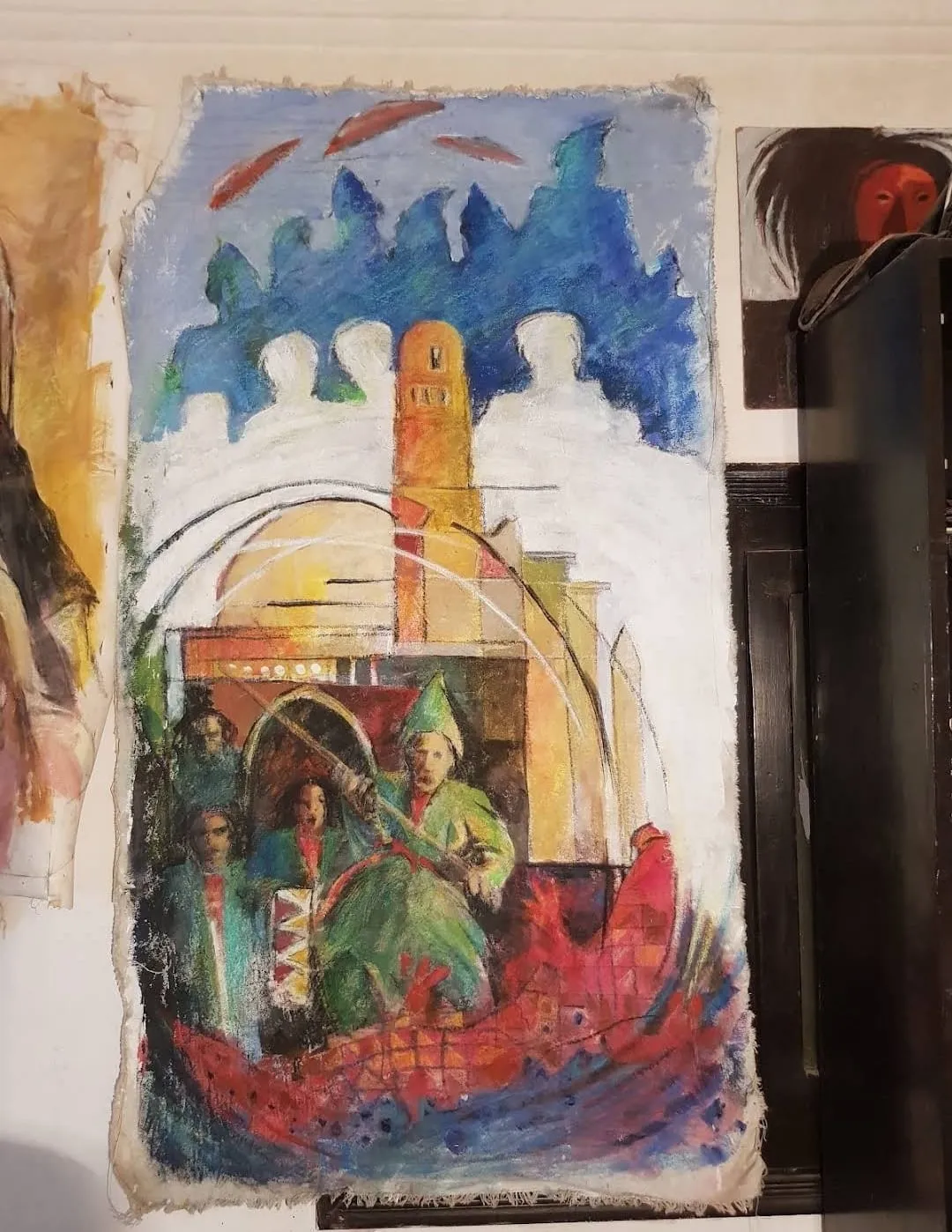
Adel Kebeida 47
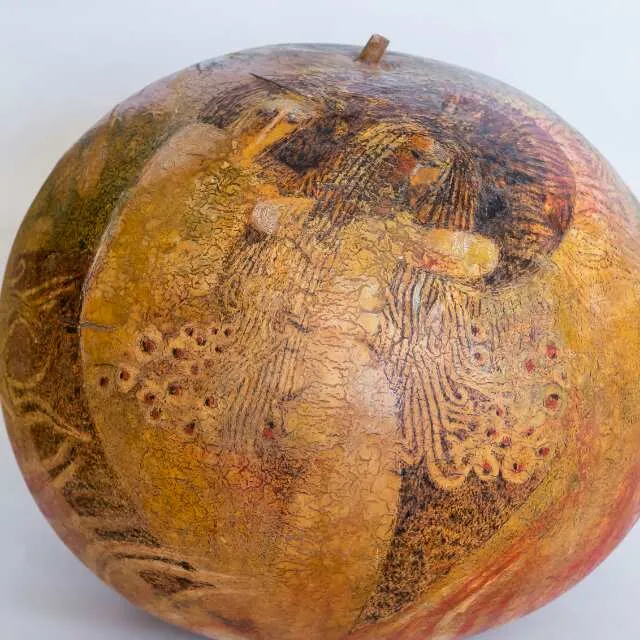
Adel Kebeida 48
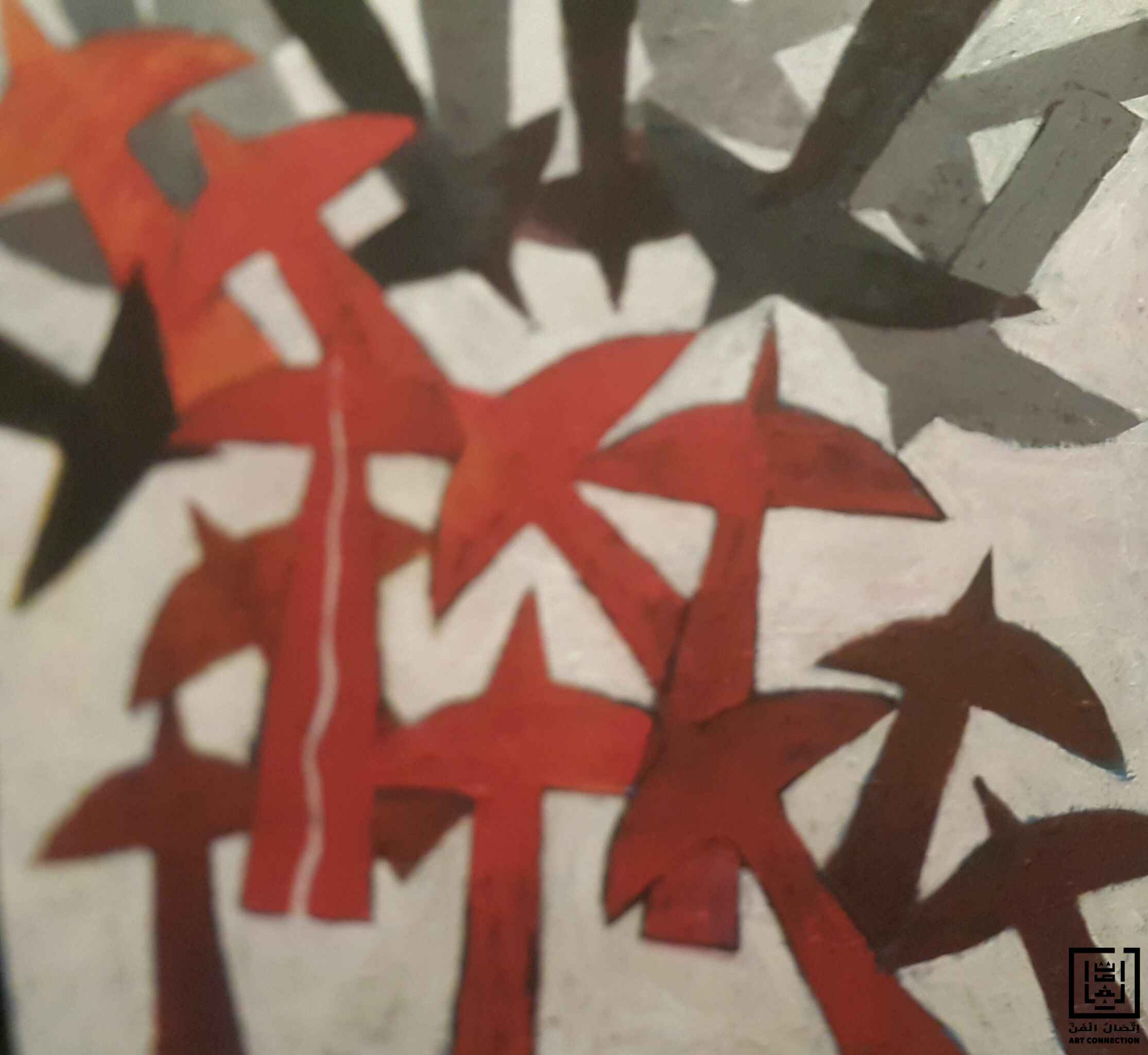
Adel Kebeida 49
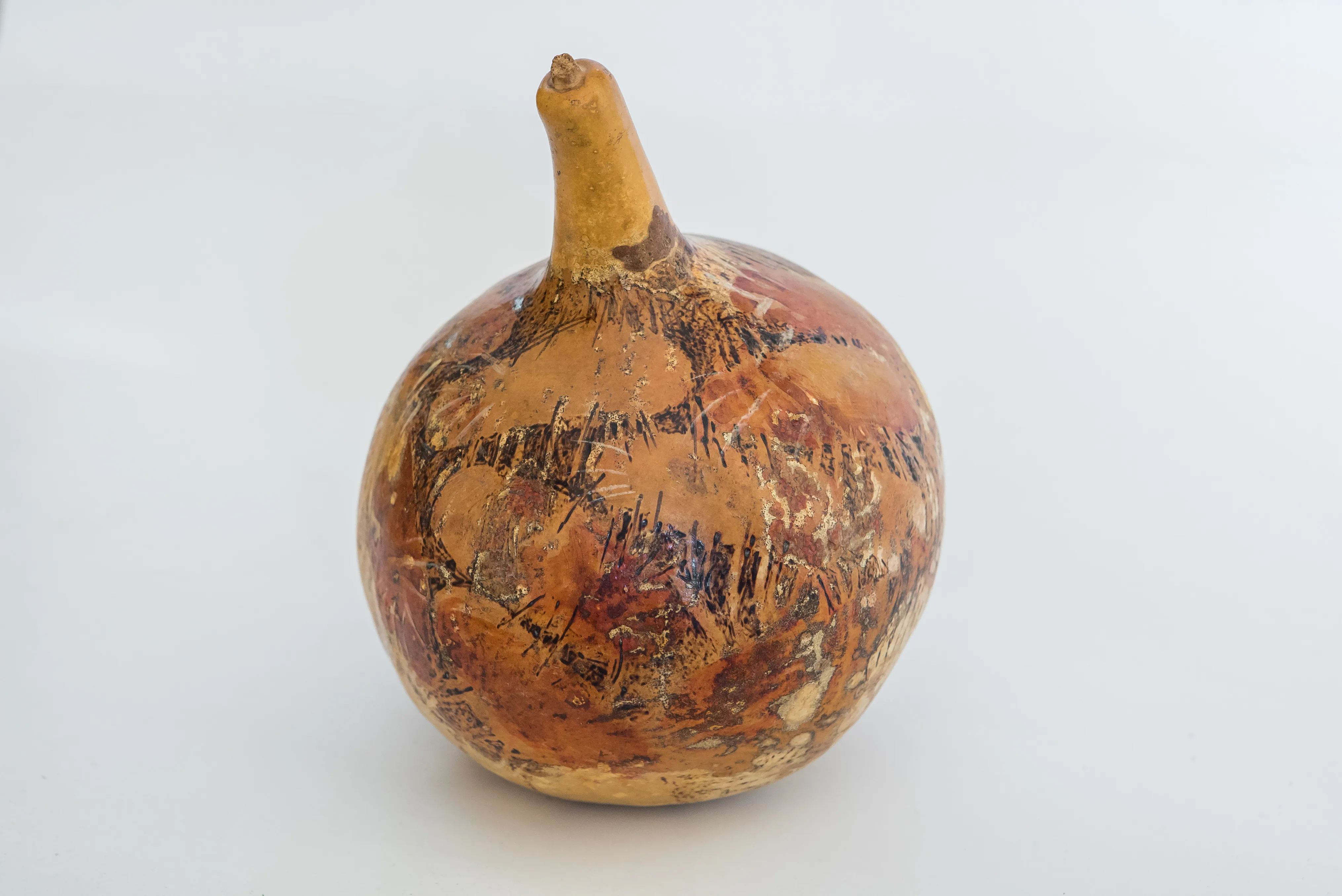
Adel Kebeida 50
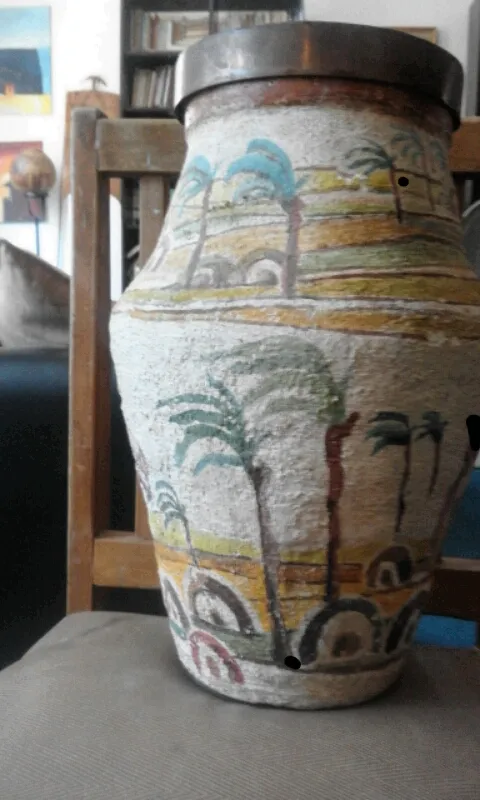
Adel Kebeida 51
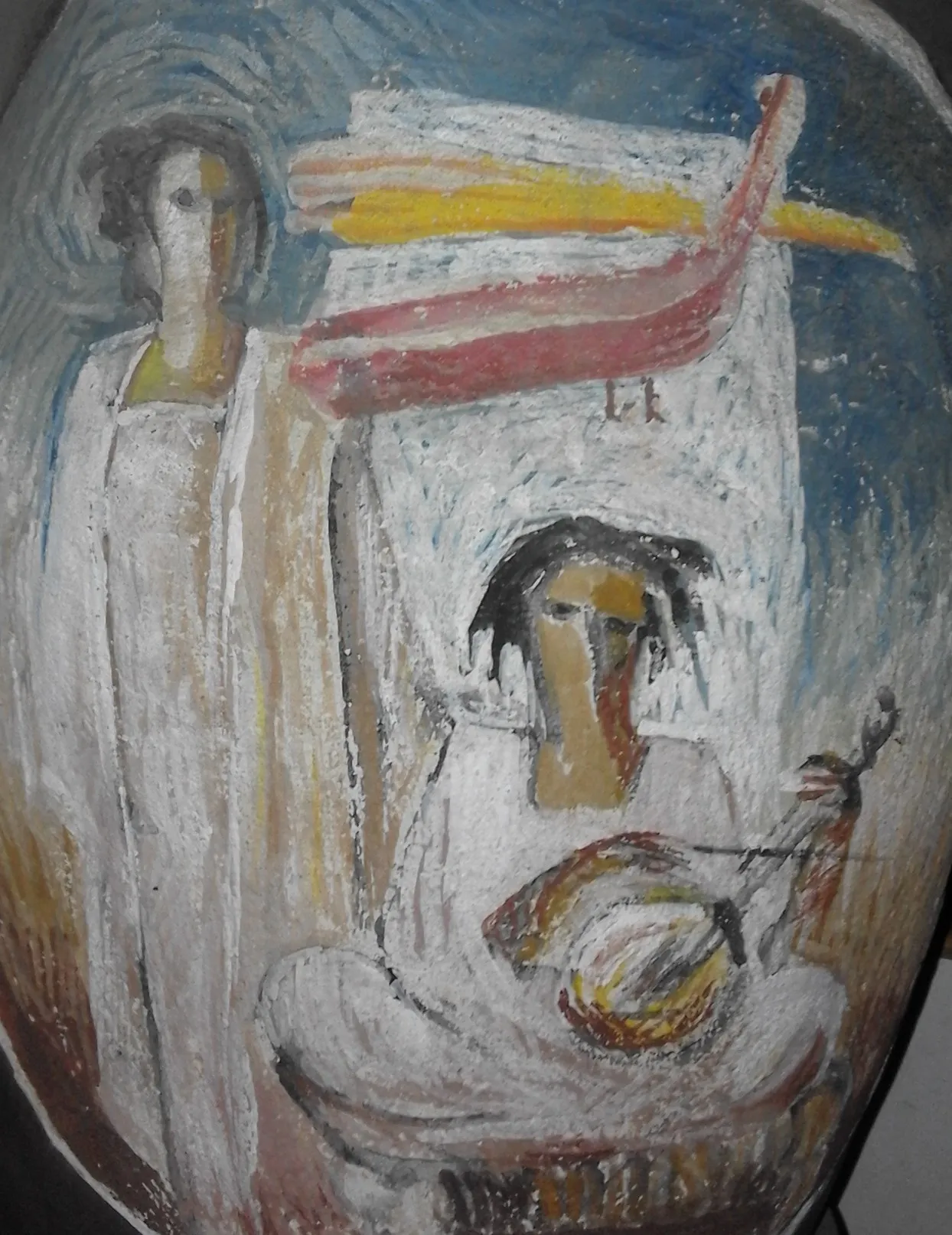
Adel Kebeida 52
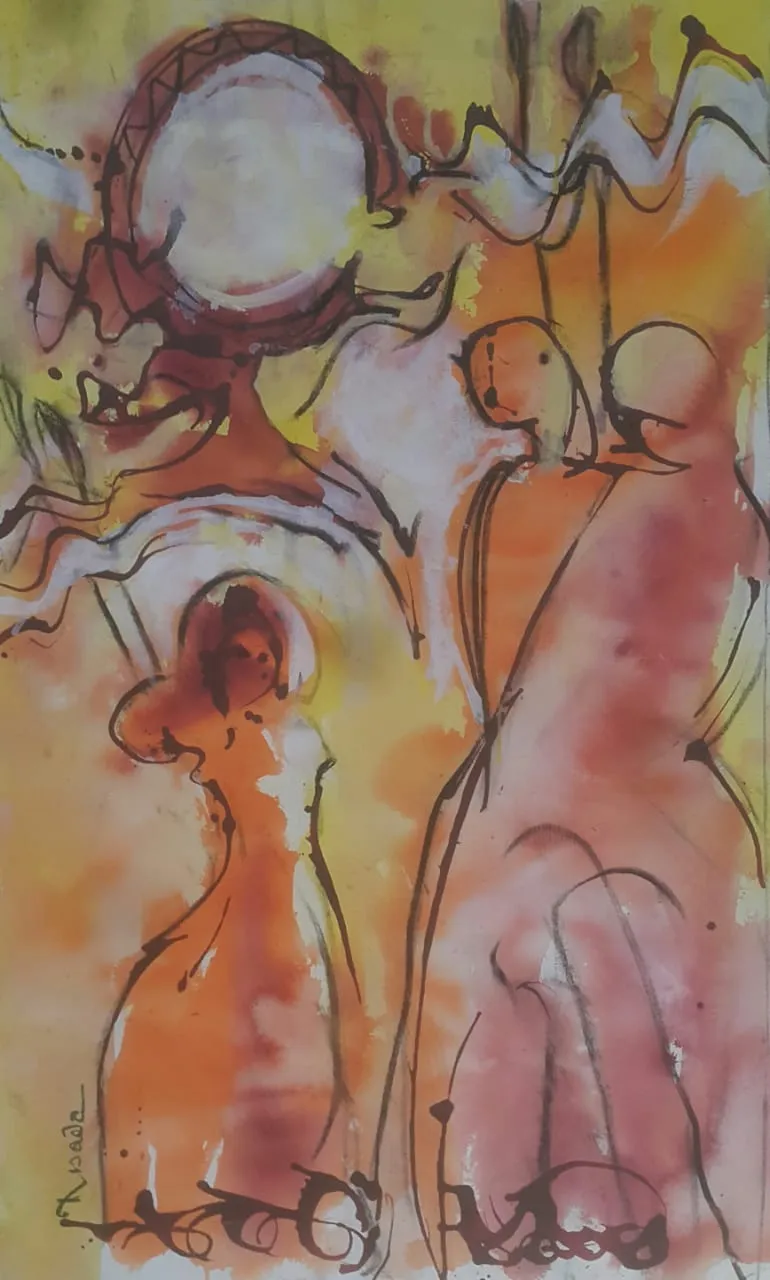
Adel Kebeid 53
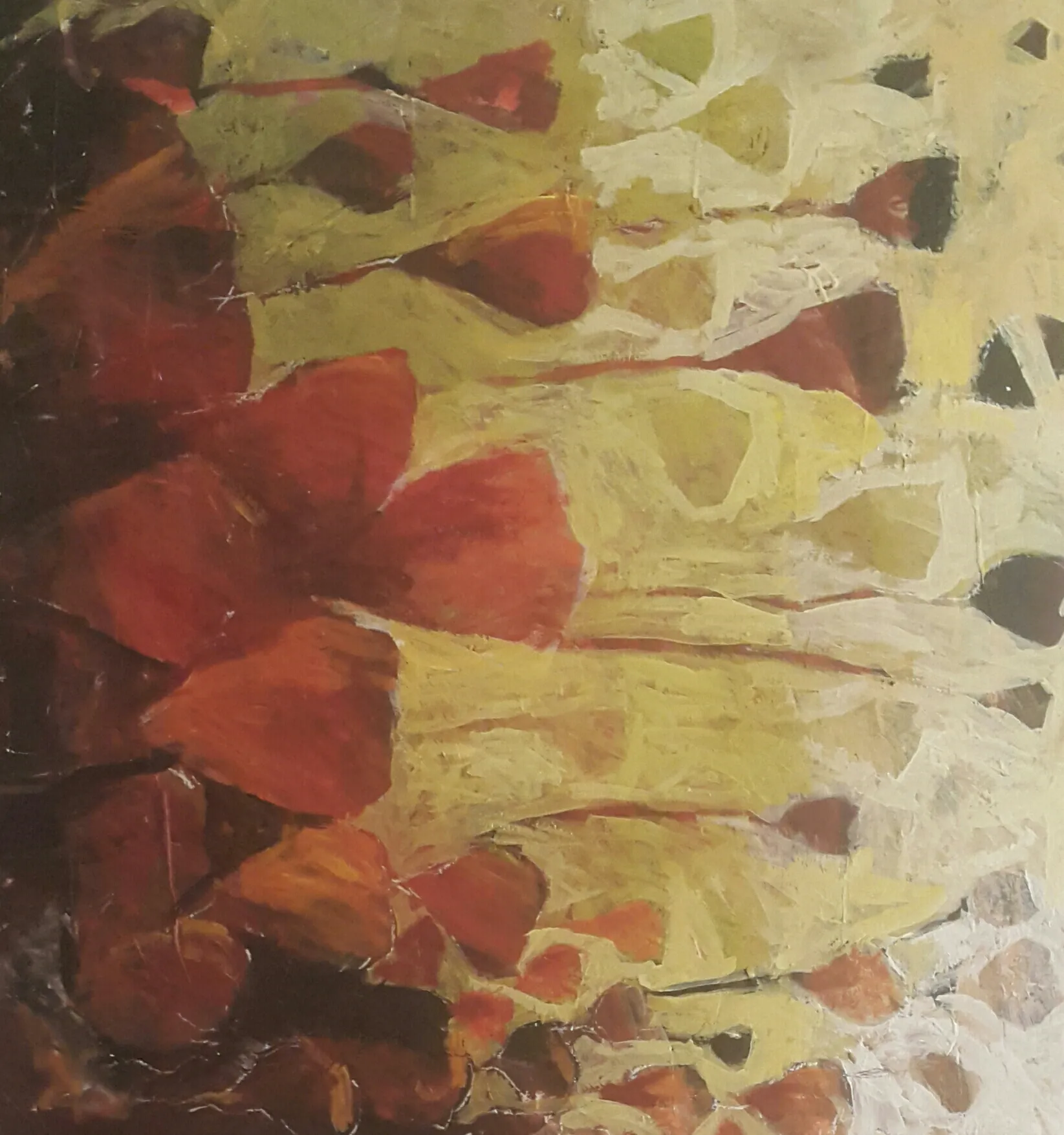
Adel Kebeida 53
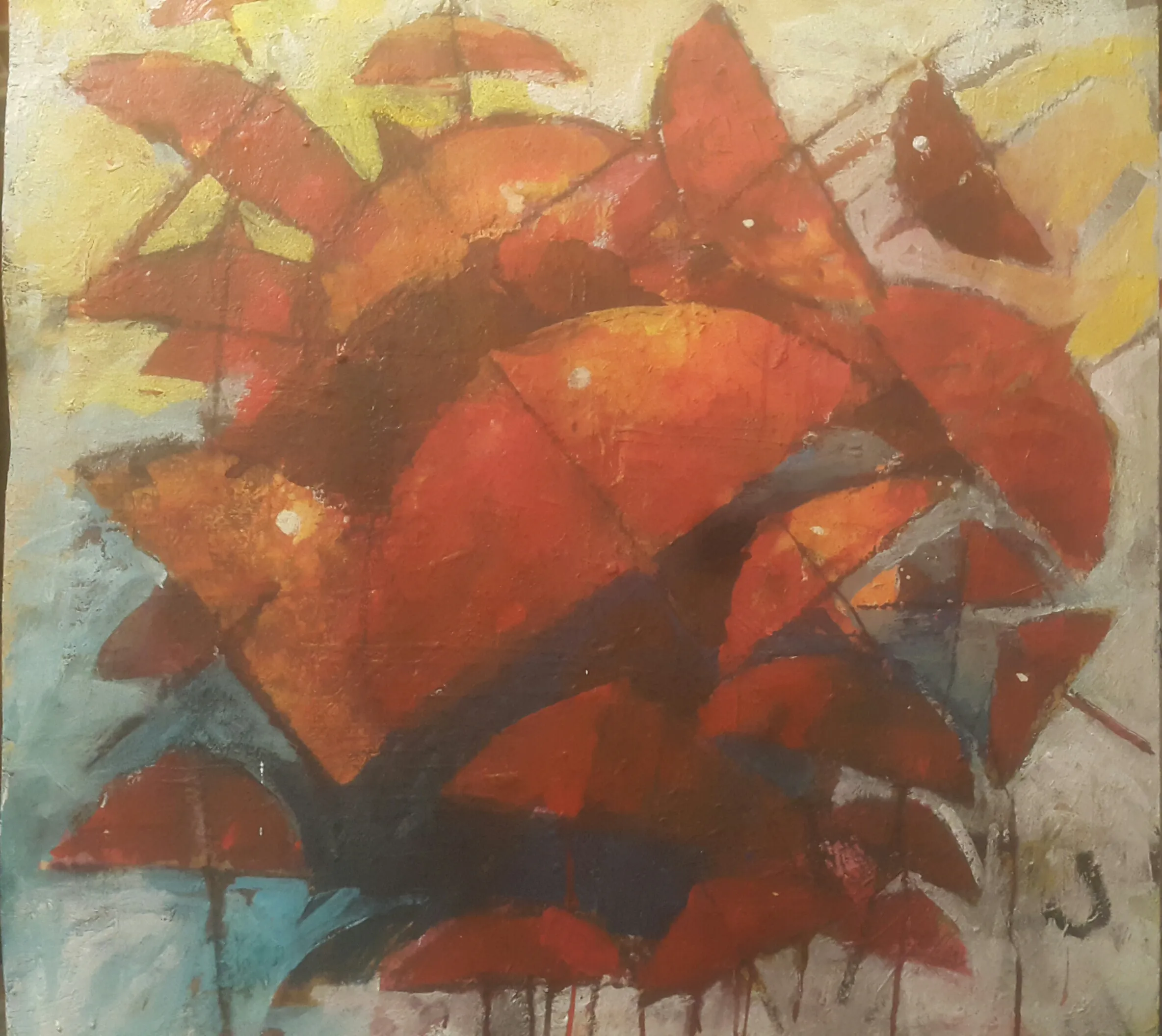
Adel Kebeida 54
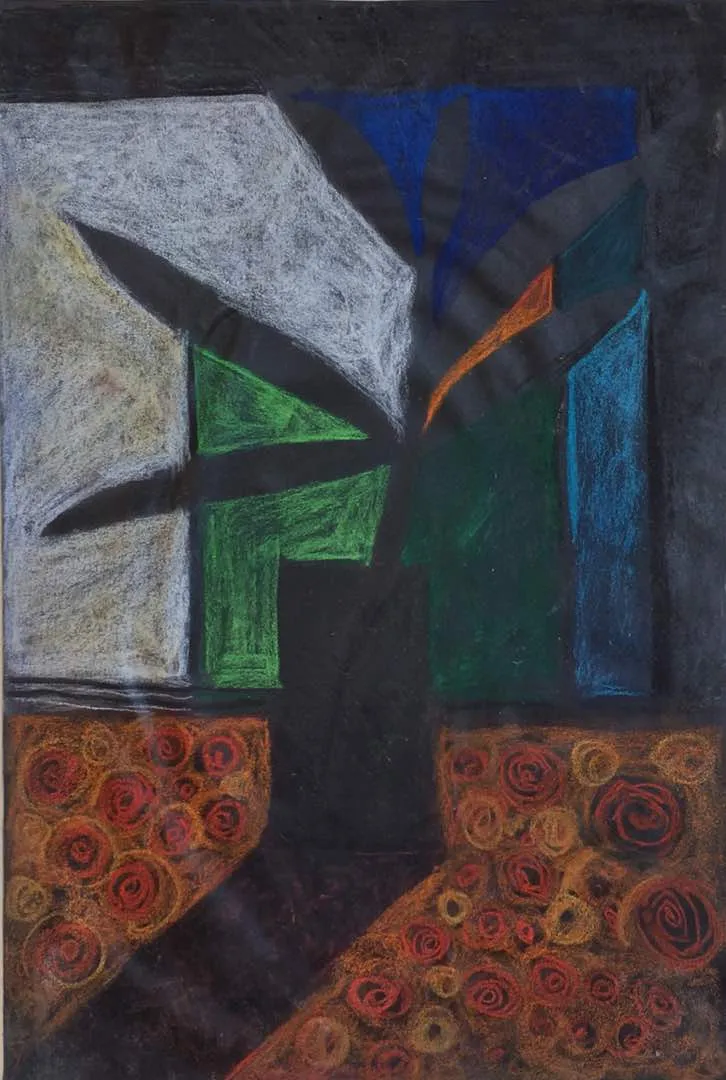
Adel Kebeida 55
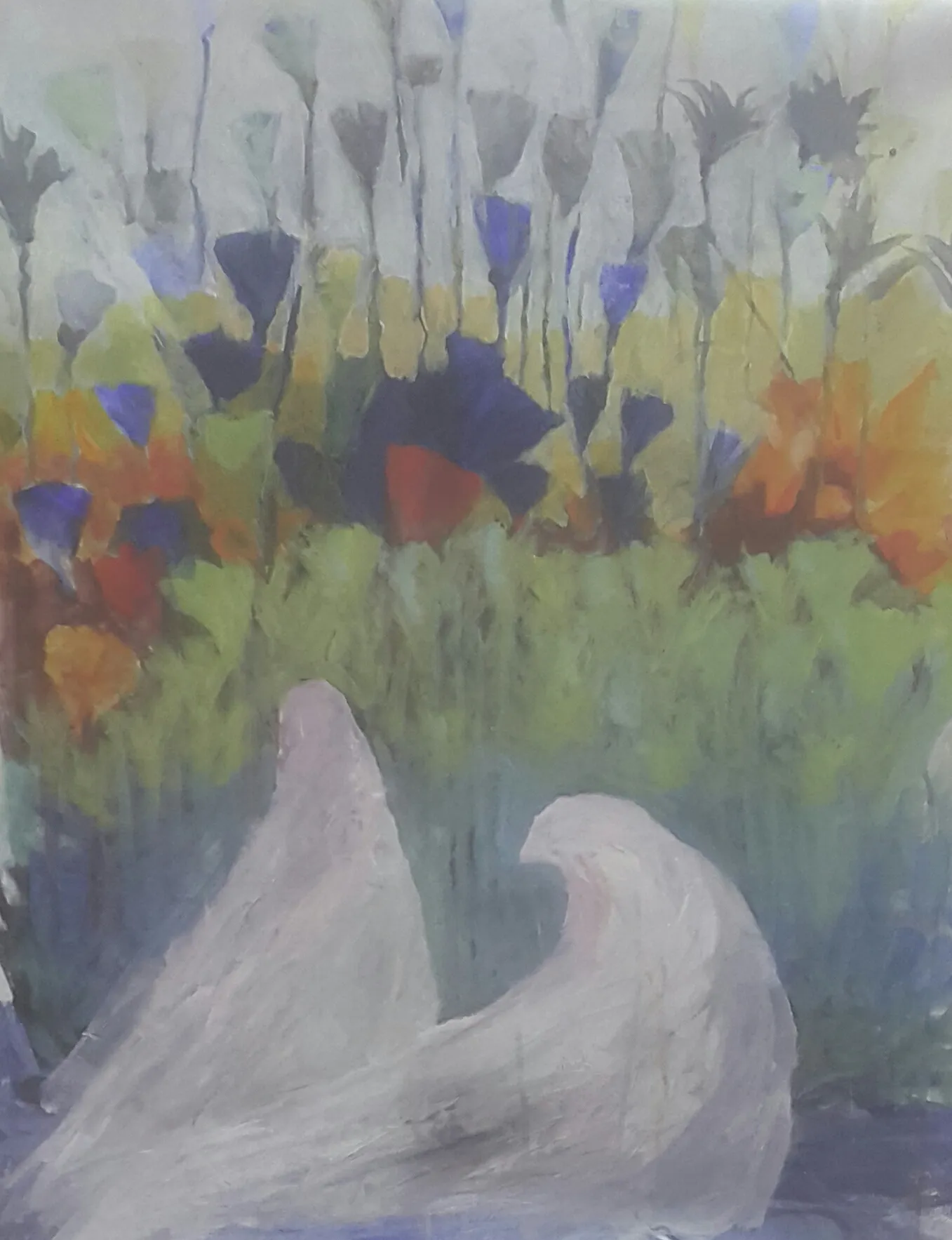
Adel Kebeida 56
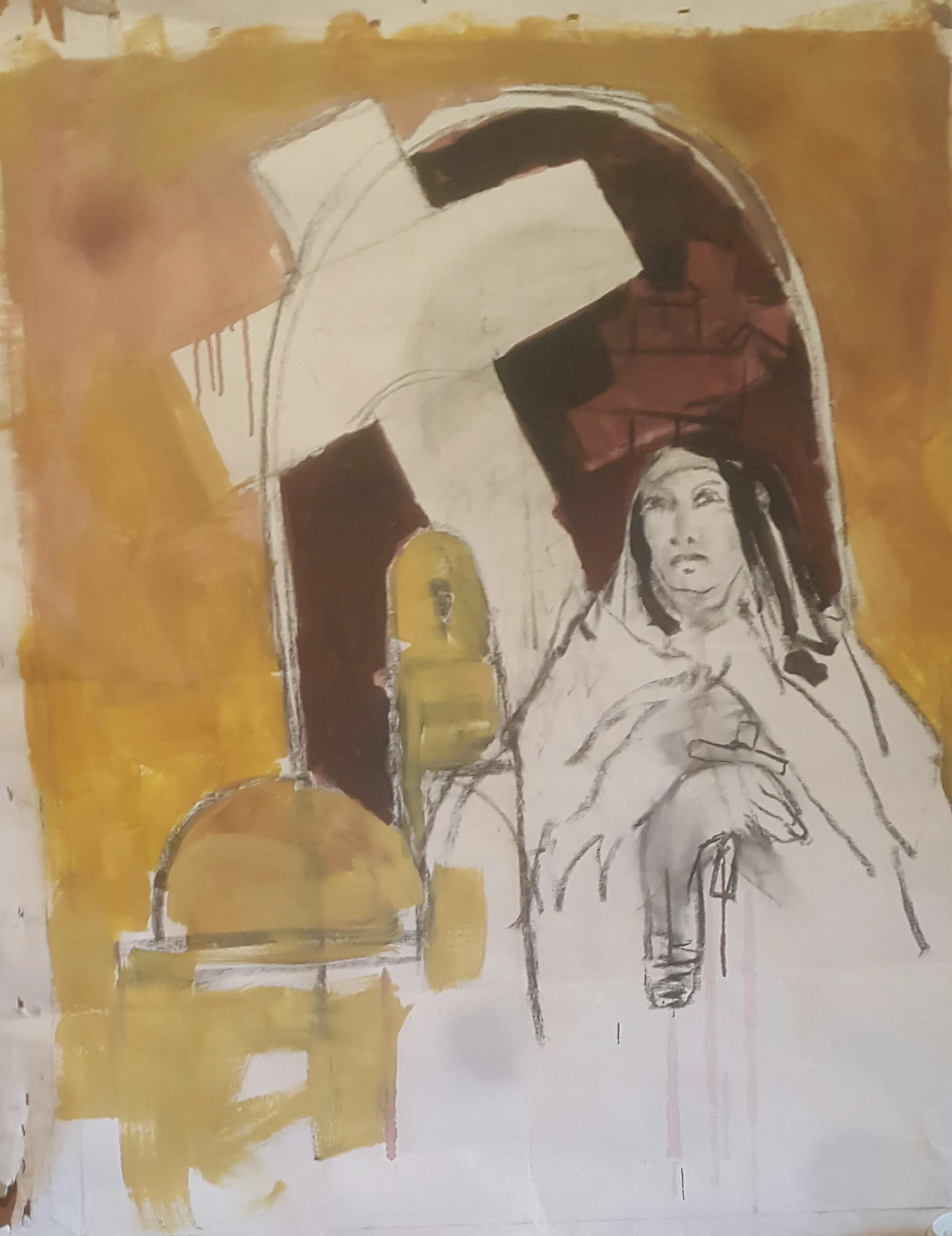
Adel Kebeida 57
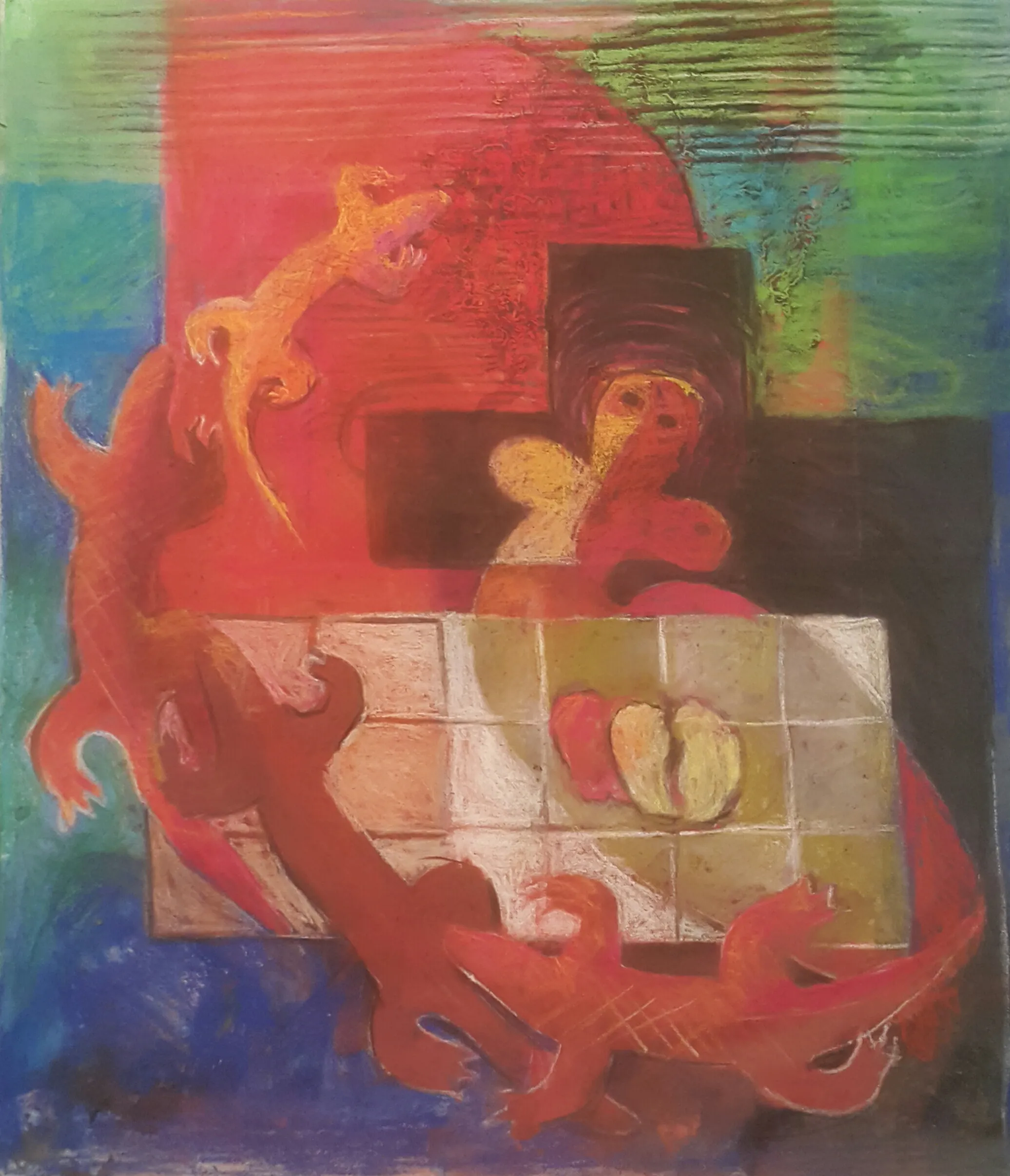
Adel Kebeida 58